










Next Thursday, November 19, the year's Beaujolais Nouveau reaches American shelves, and for many wine drinkers that light, fruity bottle is the only Beaujolais they ever buy. It is one small part of the region. Beaujolais has twelve appellations, and ten of them are villages, called crus, whose wines are made from the same grape as Nouveau but are built to last years instead of weeks.
If you have ever picked up a bottle that says Morgon or Fleurie in large letters and wondered what country it came from, this is the guide.
Twelve appellations, one grape
The region's trade body, Inter Beaujolais, lists twelve appellations. Two cover wide areas: Beaujolais, and Beaujolais Villages, a step up drawn from a group of villages. The other ten are the crus: Brouilly, Chénas, Chiroubles, Côte de Brouilly, Fleurie, Juliénas, Morgon, Moulin-à-Vent, Régnié and Saint-Amour.
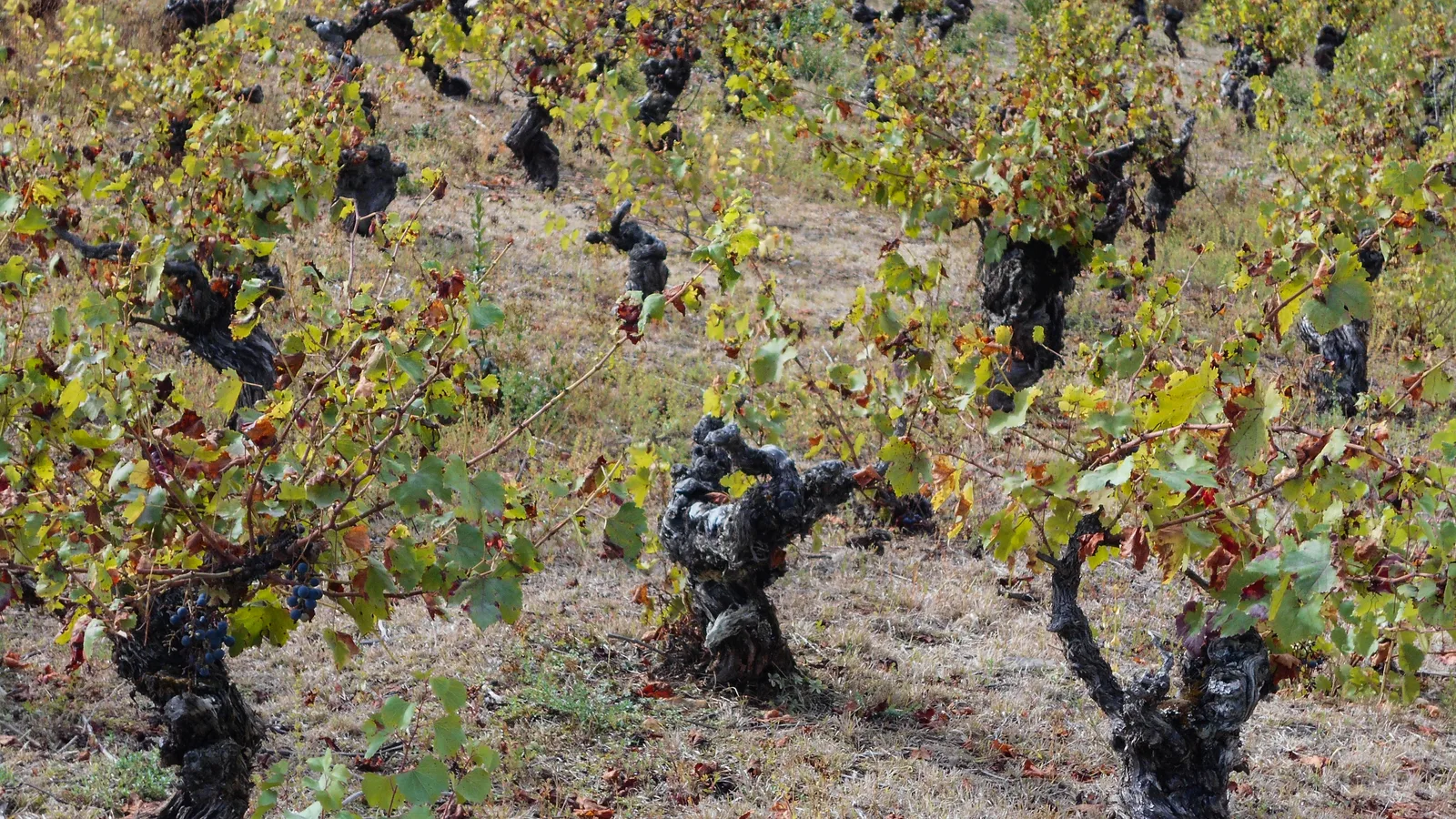
The red grape across all of them is Gamay, a thin-skinned variety that tends to make wines with bright red fruit, gentle tannin and fresh acidity. (Tannin is the drying, grippy feel you get from red wine, mostly from grape skins.) The region also grows Chardonnay for its smaller white wine output.
What changes from one cru to the next is the ground, the slope and the way the wine is made. Nouveau is fermented fast and bottled within weeks of harvest. A cru is typically given more time, and some, such as Morgon, are made to age in bottle for years.
Why the label may not say Beaujolais
A cru bottle usually leads with the village name. The word Beaujolais can be small, tucked into the fine print, or missing from the front label entirely. That is the most common reason shoppers walk past these wines: a bottle reading Juliénas or Chénas does not announce where it is from. If a French red names one of the ten villages above, it is a cru Beaujolais, and it is almost certainly Gamay.
Morgon, as an example of how different a cru can be
Inter Beaujolais publishes a profile of each cru, and Morgon's shows how far a cru sits from Nouveau. It is the largest of the ten, at about 1,090 hectares (roughly 2,700 acres) farmed by around 250 growers, with vineyards at about 1,000 feet below Mont du Py in the commune of Villié-Morgon.
The soils are mostly granite (52 percent), with blue stone (37 percent) and piedmont deposits making up the rest. Its best-known slope, the Côte du Py, is decomposed shale that the trade body calls rotten rock. The trade body describes Morgon as full-bodied and structured, with ripe stone fruit, sour cherry and violet aromas, and gives it an aging potential of around ten years, with five to ten years in the cellar suggested for the best balance. There is even a local verb, morgonner, for a Morgon that has developed well with age.
Inter Beaujolais suggests serving its reds at 59 to 63 degrees Fahrenheit (15 to 17 degrees Celsius), a little cooler than room temperature. Twenty minutes in the refrigerator before dinner usually gets a bottle there.
A quick way to use the crus
- For drinking now: Beaujolais and Beaujolais Villages are the region's broadest appellations and usually its least expensive.
- For a fuller red that can sit in a cellar: look for Morgon, which its trade body rates for about ten years of aging.
- For Thanksgiving: Gamay's bright acidity and soft tannin are why Beaujolais is a traditional match for a turkey dinner with many side dishes. Our Thanksgiving pairing guide explains why acidity matters most on that table.
When you are at the shop, ask for a cru Beaujolais rather than Beaujolais Nouveau, and ask which village it is from. The village name is the single most useful word on the label.
Loading comments…