

Guides
How wine works and how to enjoy more of it: grapes, regions, labels and serving, explained without the jargon.
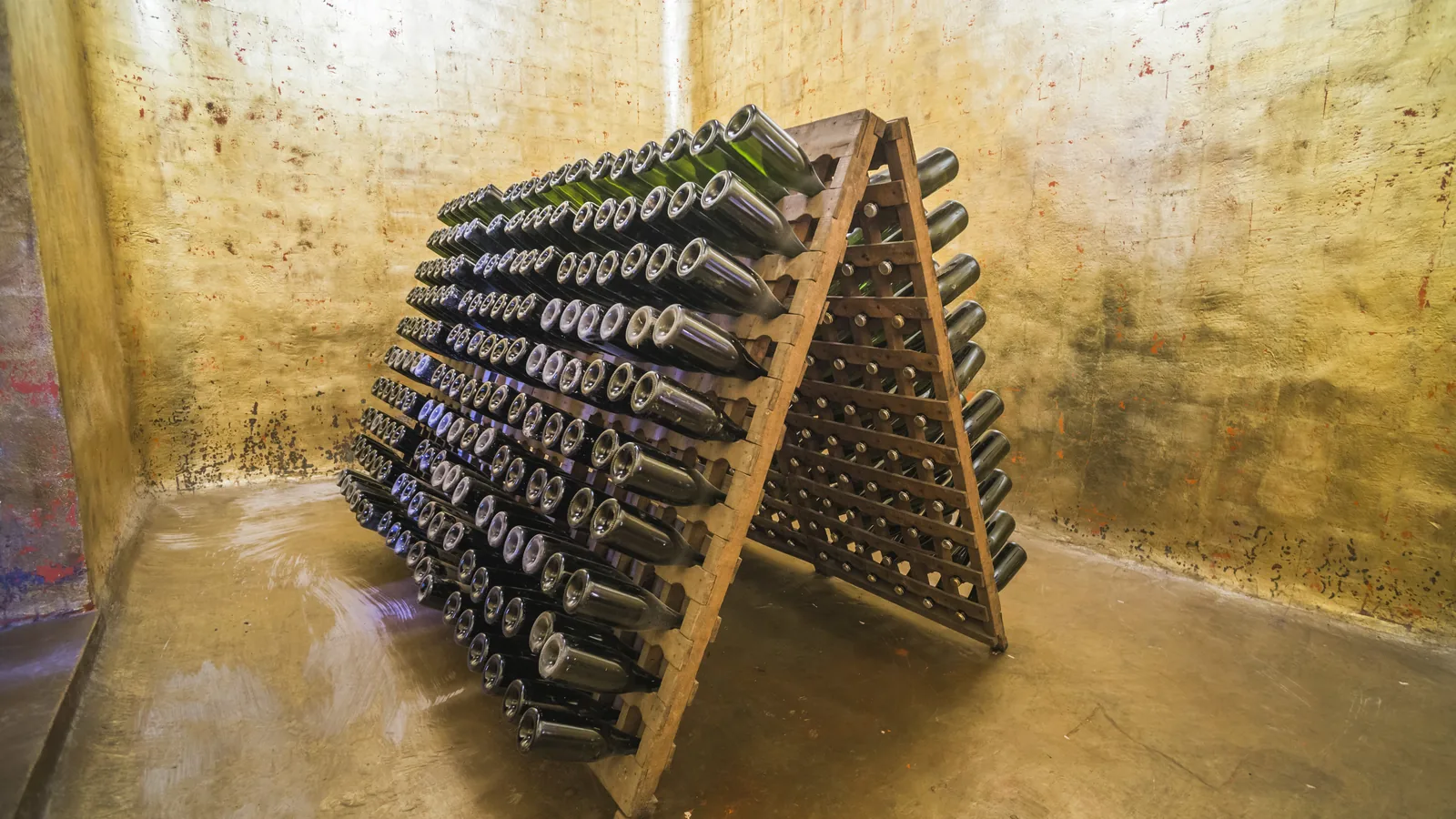
Champagne, Prosecco, Cava or Crémant? Sorting Out the Holiday Bubbles
by Uncorked Wave ·Two ways to make bubbles, four names on the shelf, and why Extra Dry is sweeter than Brut. A clear guide to buying sparkling wine for the holidays.
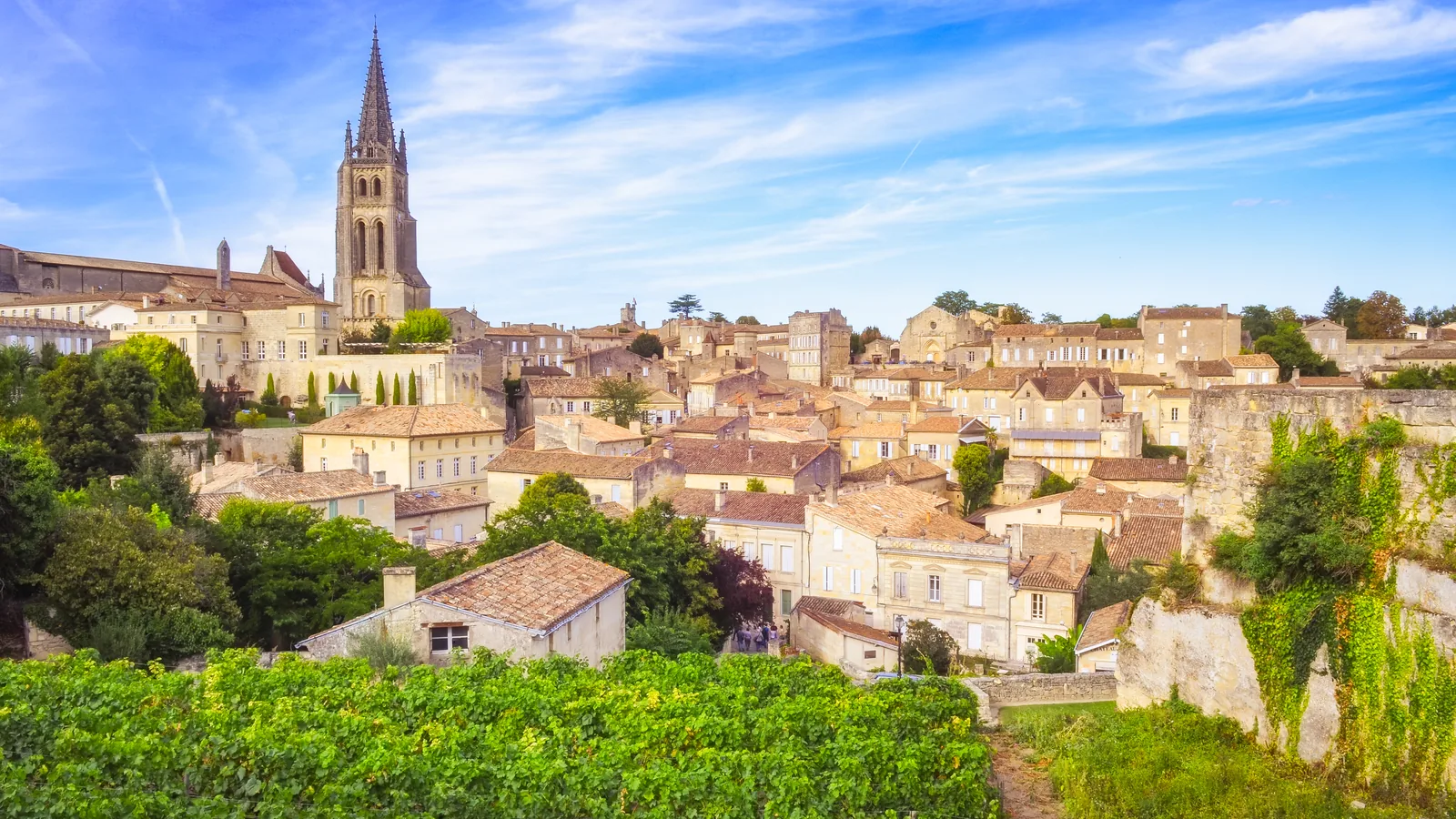
The Two Sides of Bordeaux, and the Label That Tells Them Apart
by Uncorked Wave ·Left Bank Bordeaux leans on Cabernet Sauvignon, the Right Bank on Merlot. The main appellations, and what the château, appellation and Grand Vin lines mean.
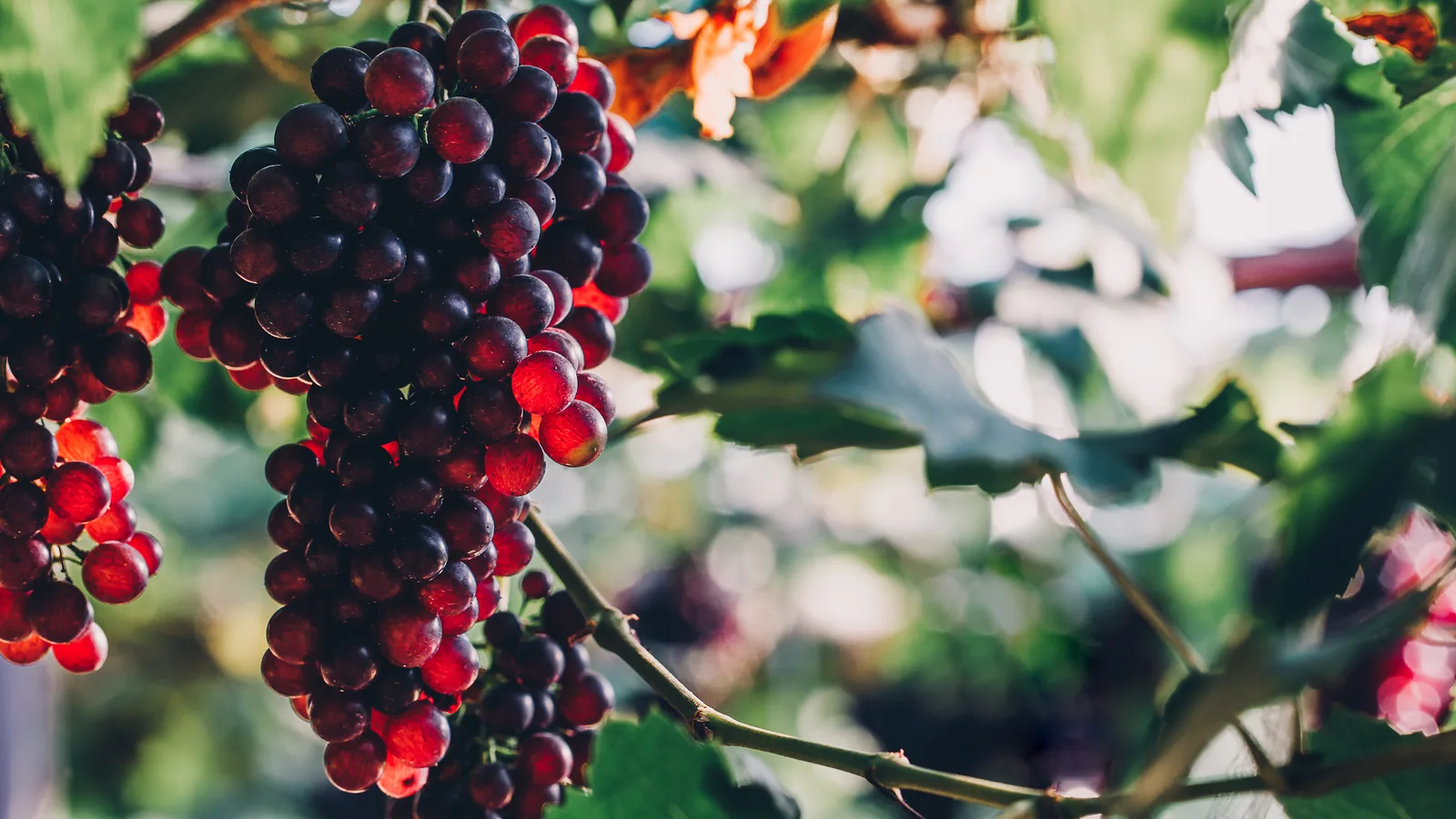
Pinot Noir vs. Cabernet Sauvignon: Why Two Red Grapes Pour So Differently
by Uncorked Wave ·Thin skins or thick, cool coast or warm valley: how grape, climate and winemaking make Pinot Noir and Cabernet Sauvignon so different in the glass.
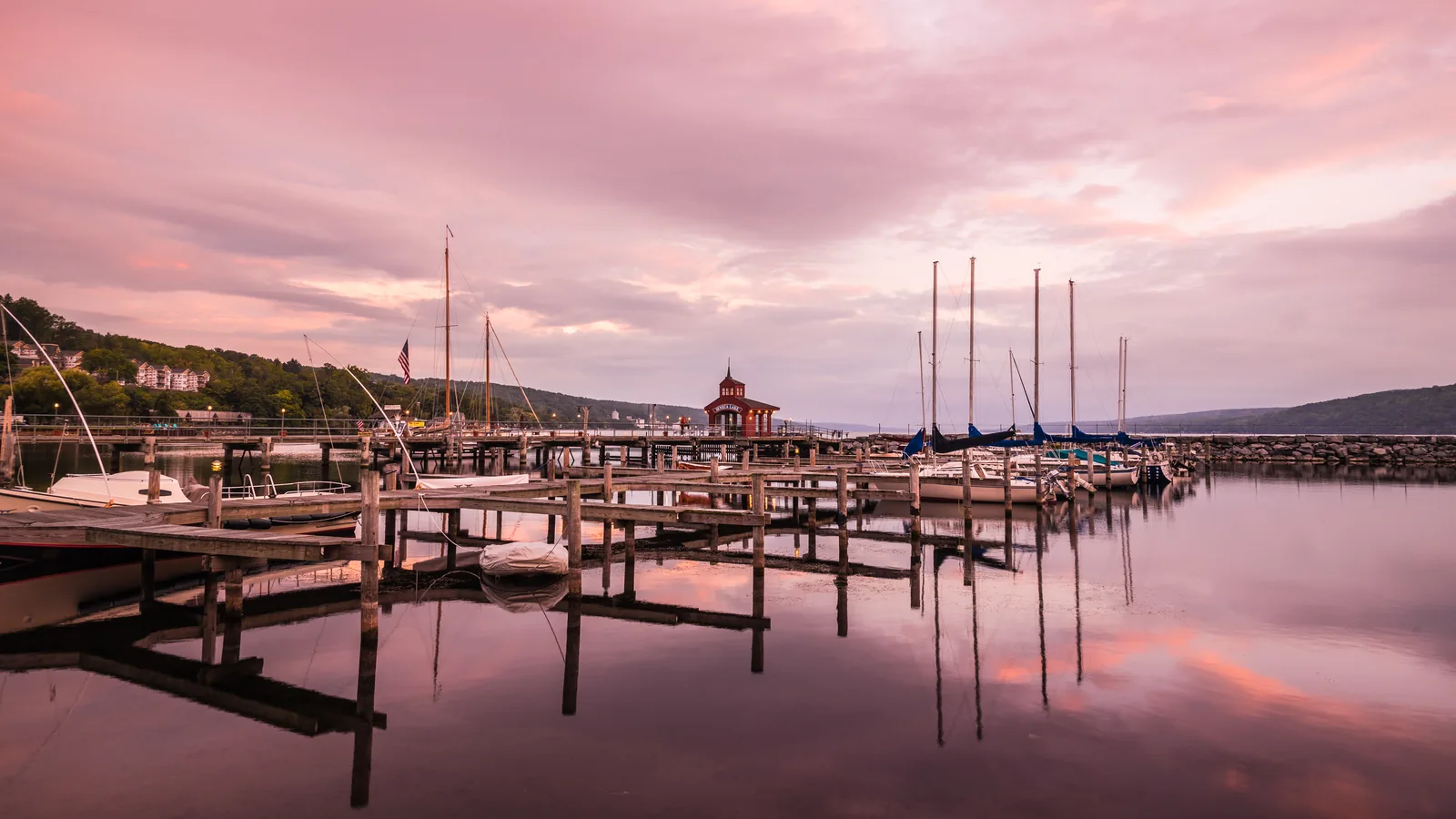
Why Finger Lakes Riesling Tastes the Way It Does
by Uncorked Wave ·Deep glacial lakes keep Finger Lakes vineyards steady, and a four-step scale on the back label shows how sweet a Riesling is. Here is how to read both.
Why a Winery Can Ship to Your Door in One State and Not the Next
by Uncorked Wave ·The three-tier system, the Supreme Court's 2005 Granholm ruling and today's state permits explain why wine shipping rules change at every state line.
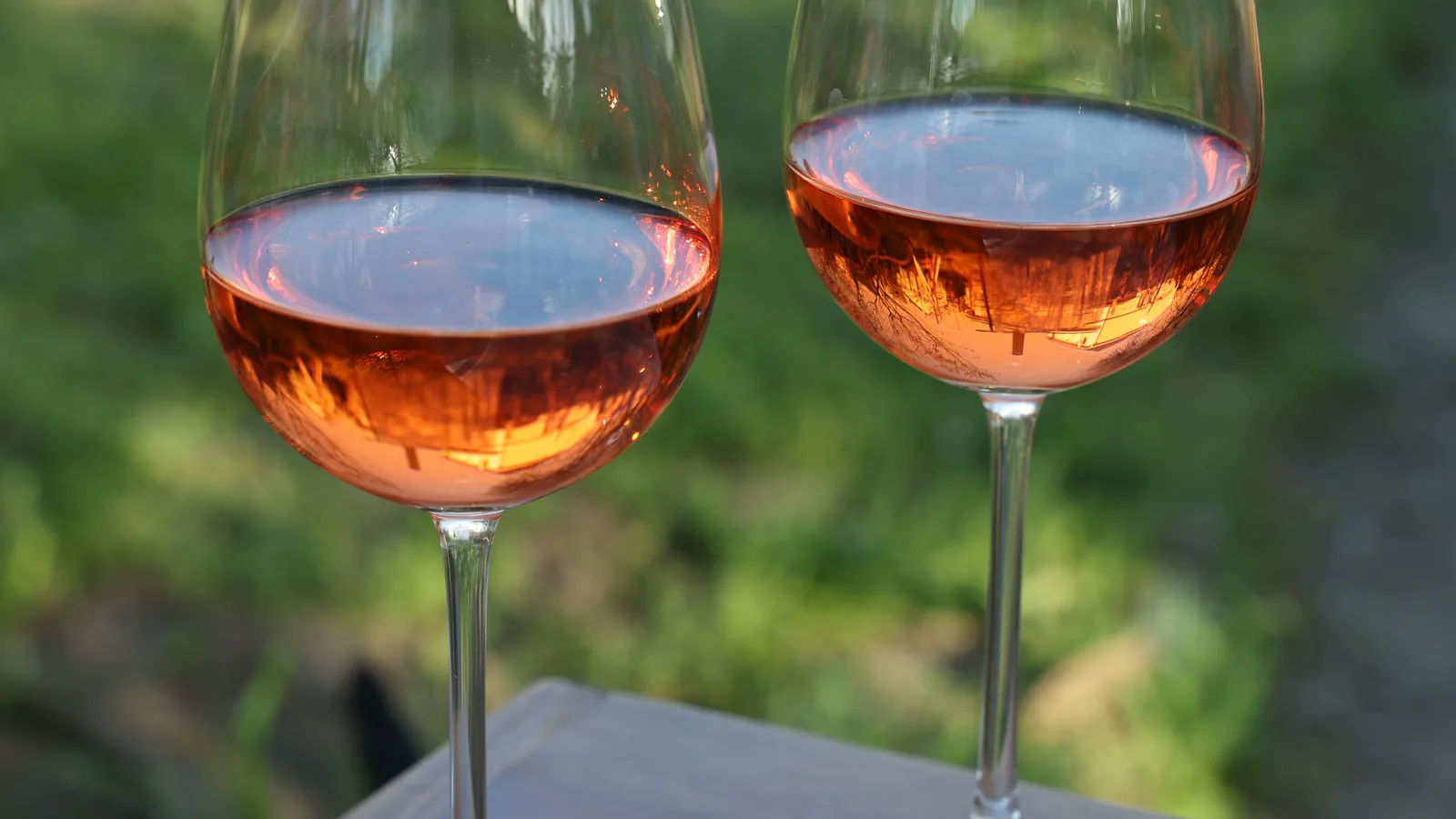
From Pale Onion Skin to Deep Pink: How Rosé Gets Its Color
by Uncorked Wave ·Rosé is not red and white wine mixed. Here is how direct press, skin contact and saignée work, and why one rosé is pale and another deep pink.
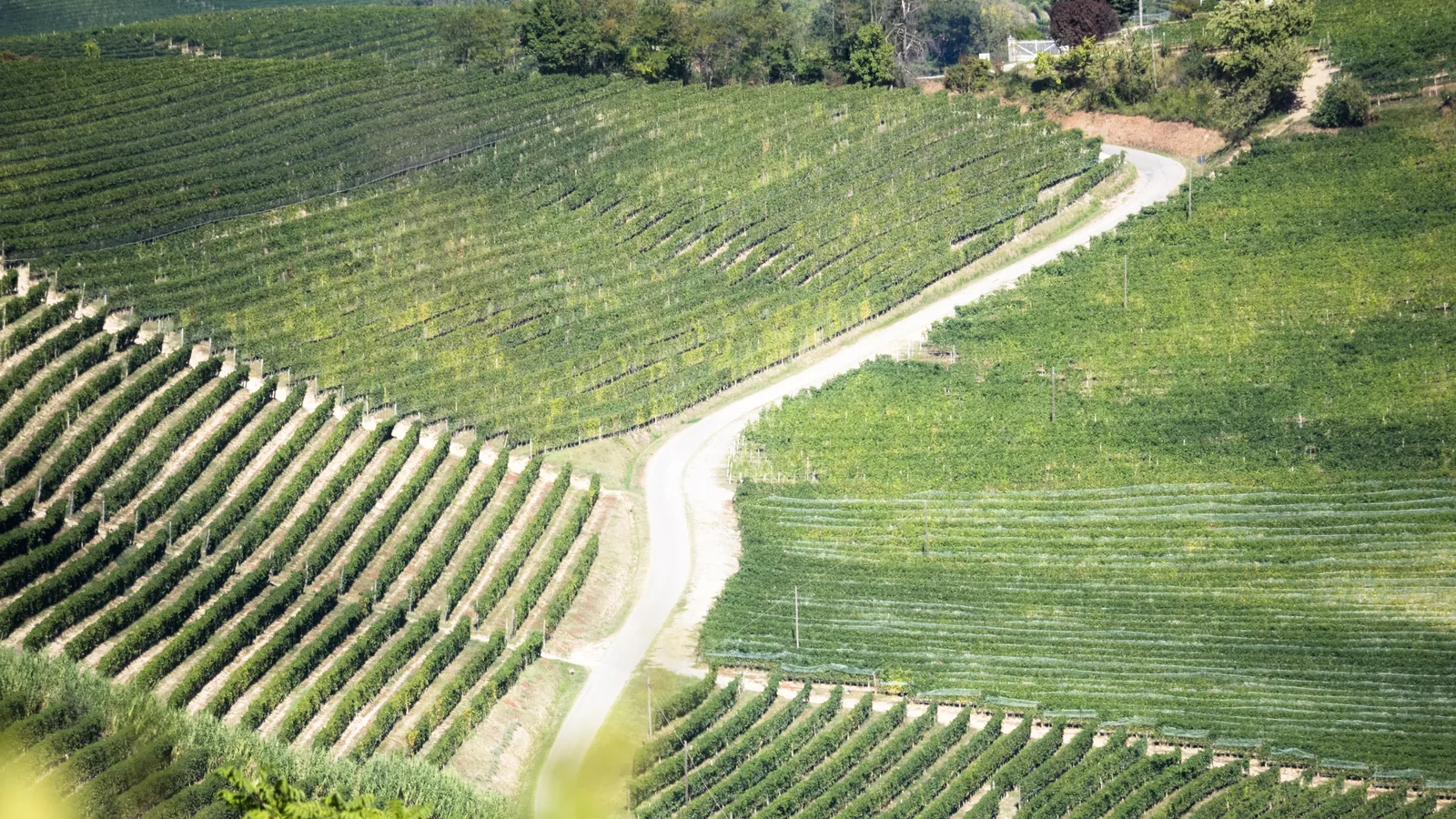
Same Grape, Different Clocks: Barolo and Barbaresco
by Uncorked Wave ·Barolo and Barbaresco are both 100% Nebbiolo from Piedmont's Langhe hills. The official aging minimums, Riserva rules and release dates set them apart.
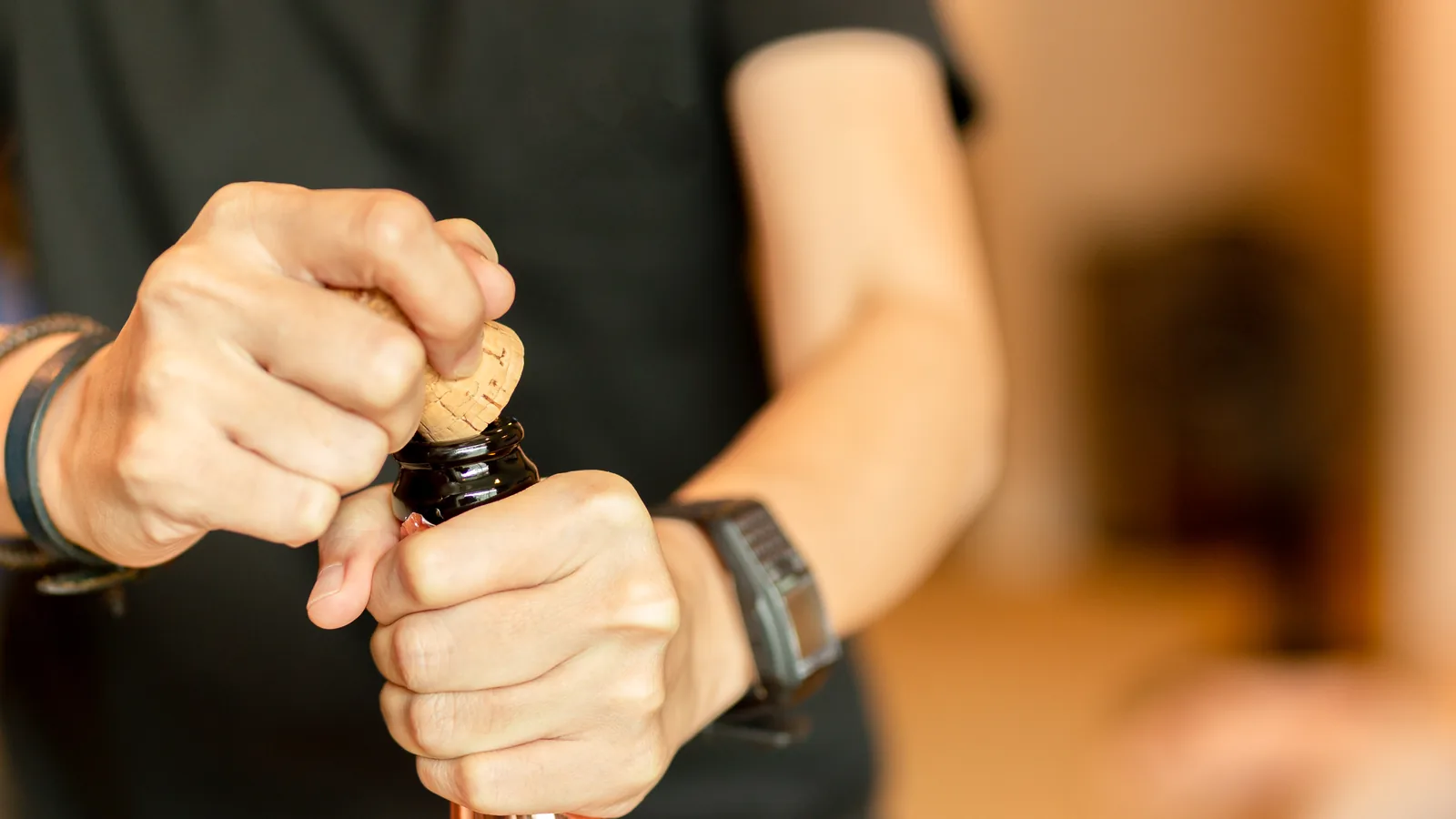
A Sigh, Not a Bang: How to Open Sparkling Wine Safely
by Uncorked Wave ·Chill it, aim it away from people, cover the cork with a towel and twist the bottle. How to open sparkling wine safely and keep an open bottle fizzy.
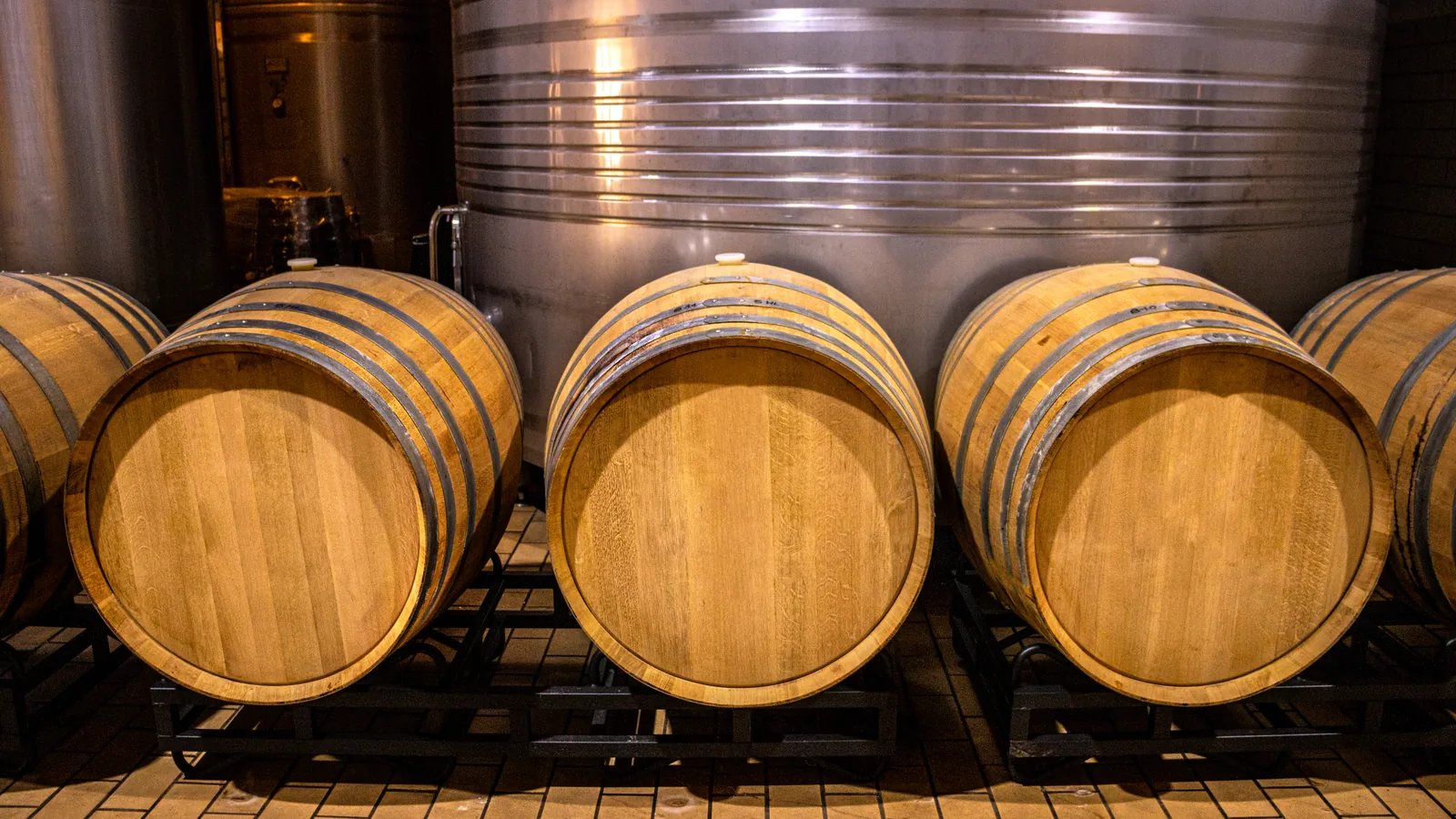
Butter or Steel? How to Tell Oaked From Unoaked Chardonnay Before You Buy
by Uncorked Wave ·Chardonnay can taste rich and toasty or crisp and lean. Here is what oak and malolactic fermentation do, and the label and region clues to look for.
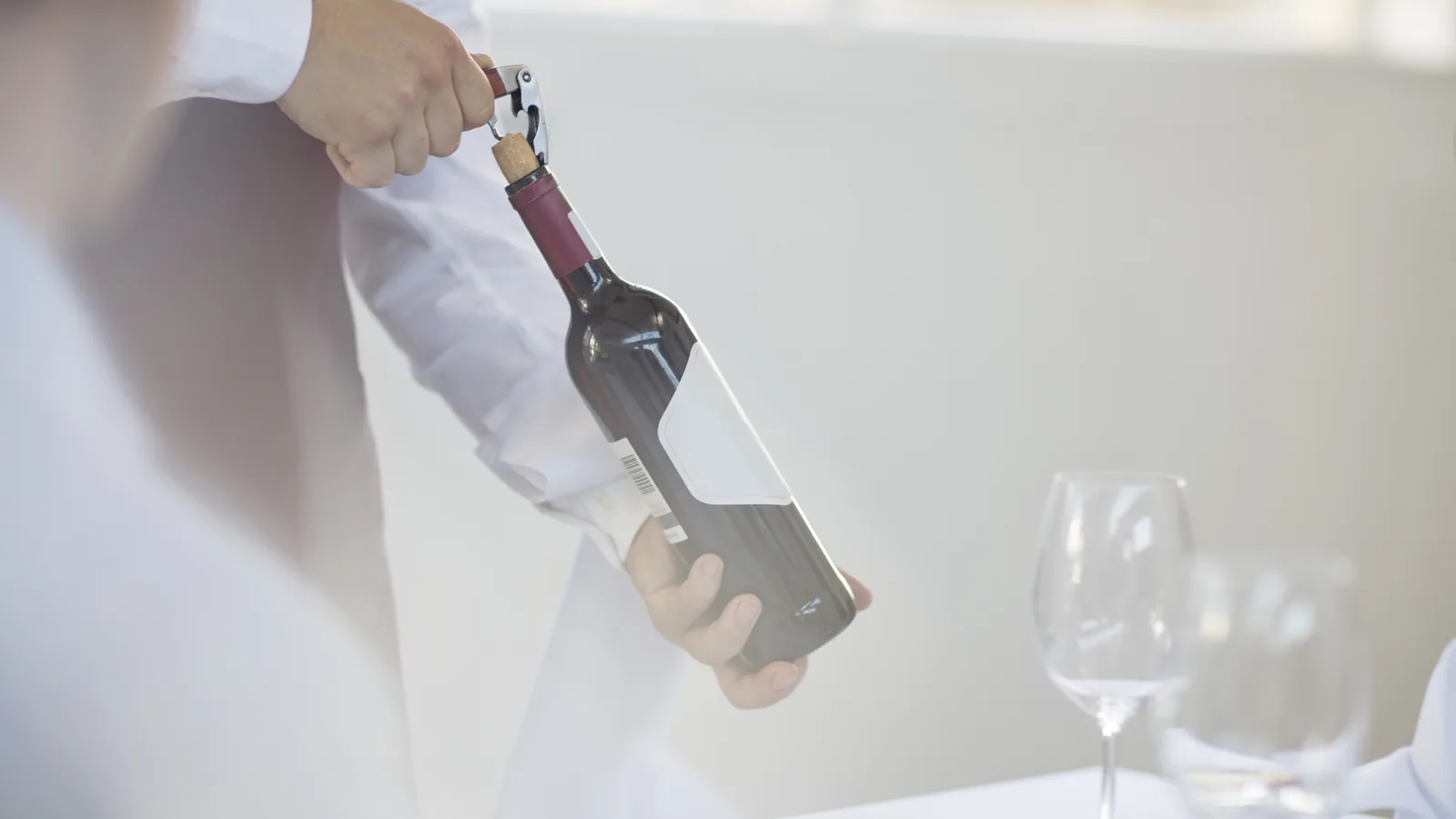
What Corkage Pays For, and When You Can Bring Your Own Bottle
by Uncorked Wave ·How corkage fees work, the etiquette of bringing your own wine to dinner, and how New York, New Jersey, Pennsylvania and Texas handle BYOB.
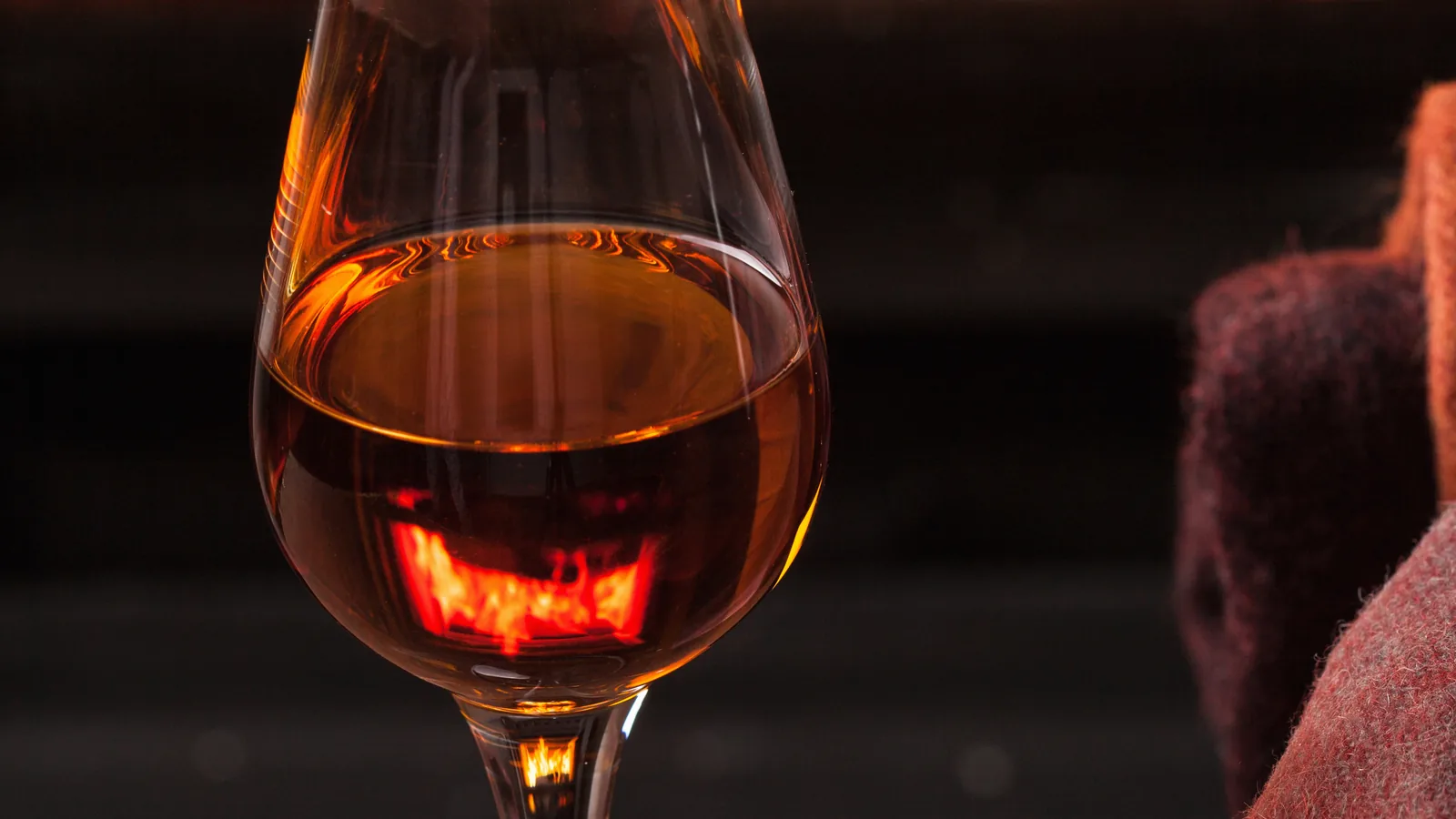
A Plain-English Guide to Port, From Ruby to Vintage
by Uncorked Wave ·Ruby or tawny, LBV or Vintage: how each style of Port is made, the temperature to serve it at, and how long an opened bottle keeps, per Port's regulator.
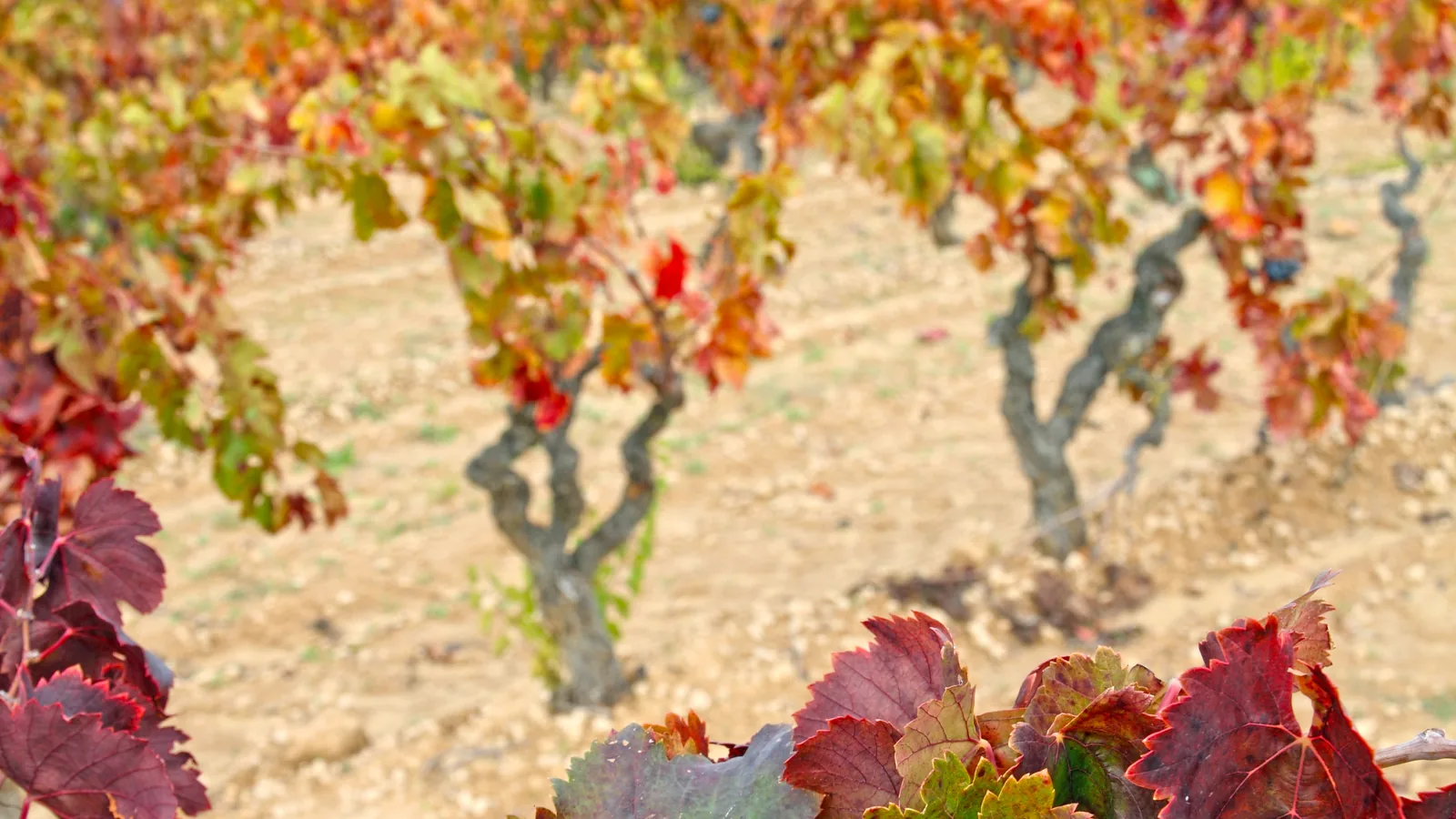
What the Words on a Rioja Label Promise
by Uncorked Wave ·Crianza, Reserva and Gran Reserva set Rioja's aging minimums. Zone, village and Viñedo Singular labels pin down the vineyard. Here is what each one requires.
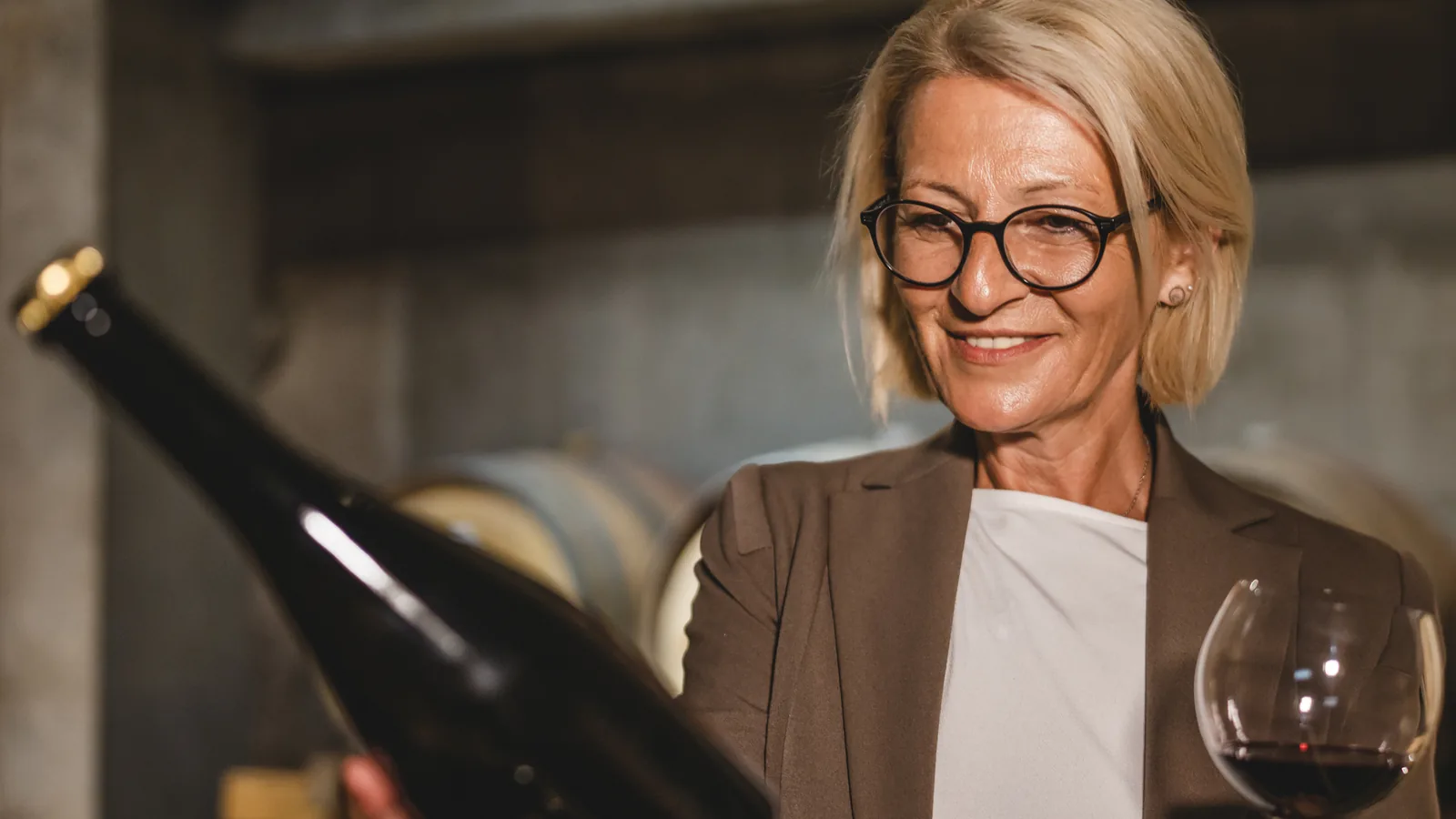
A Four-Step Wine Tasting You Can Run at Your Kitchen Table
by Uncorked Wave ·A simple four-step way to taste wine at home, based on the methods WSET and the Court of Master Sommeliers teach, plus how to set up a side-by-side flight.
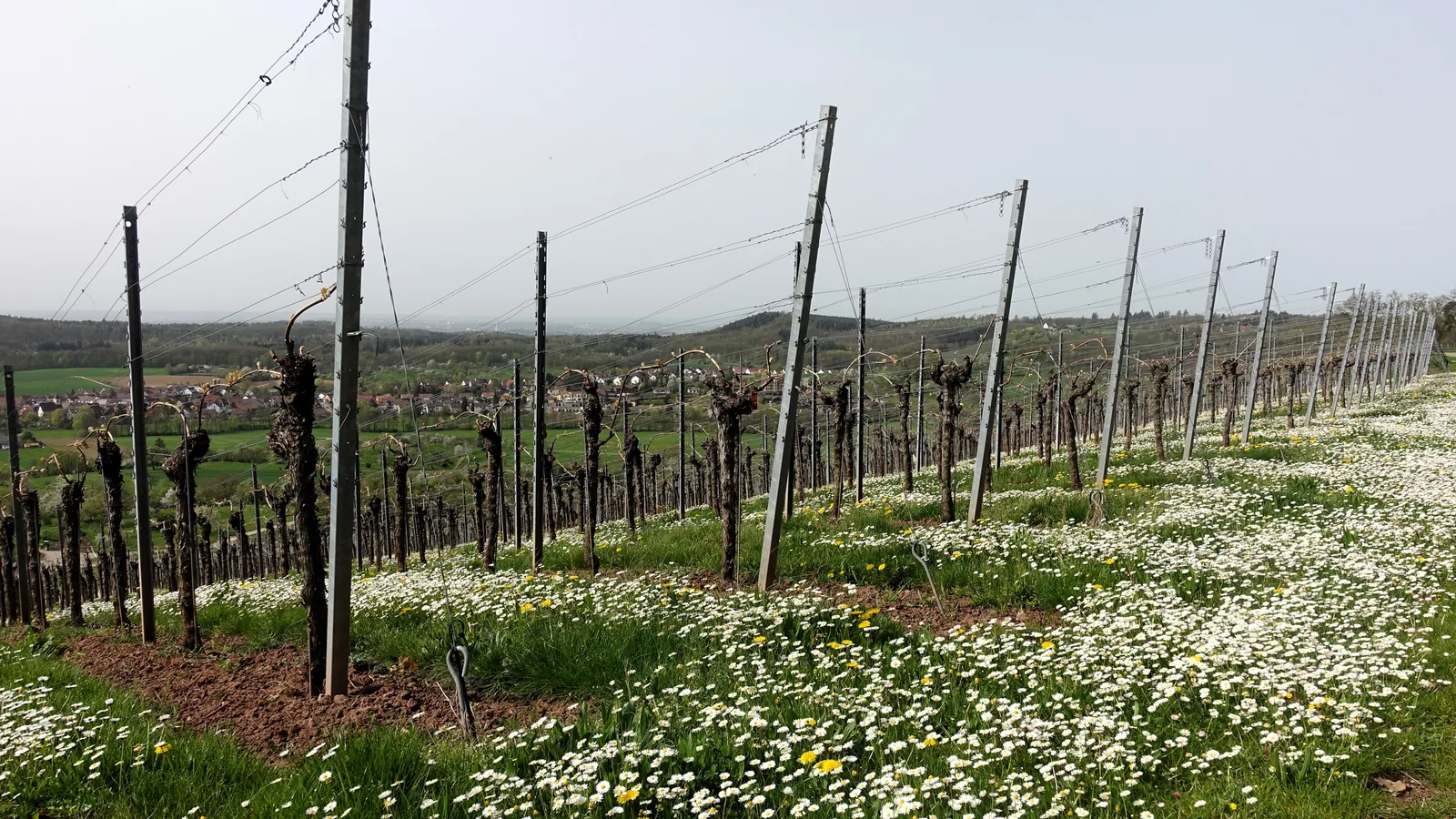
What the Organic Seal on a Wine Bottle Promises, and What Natural Does Not
by Uncorked Wave ·On a US label, organic wine and wine made with organic grapes follow different rules. Here is what each means, plus what natural and biodynamic certify.
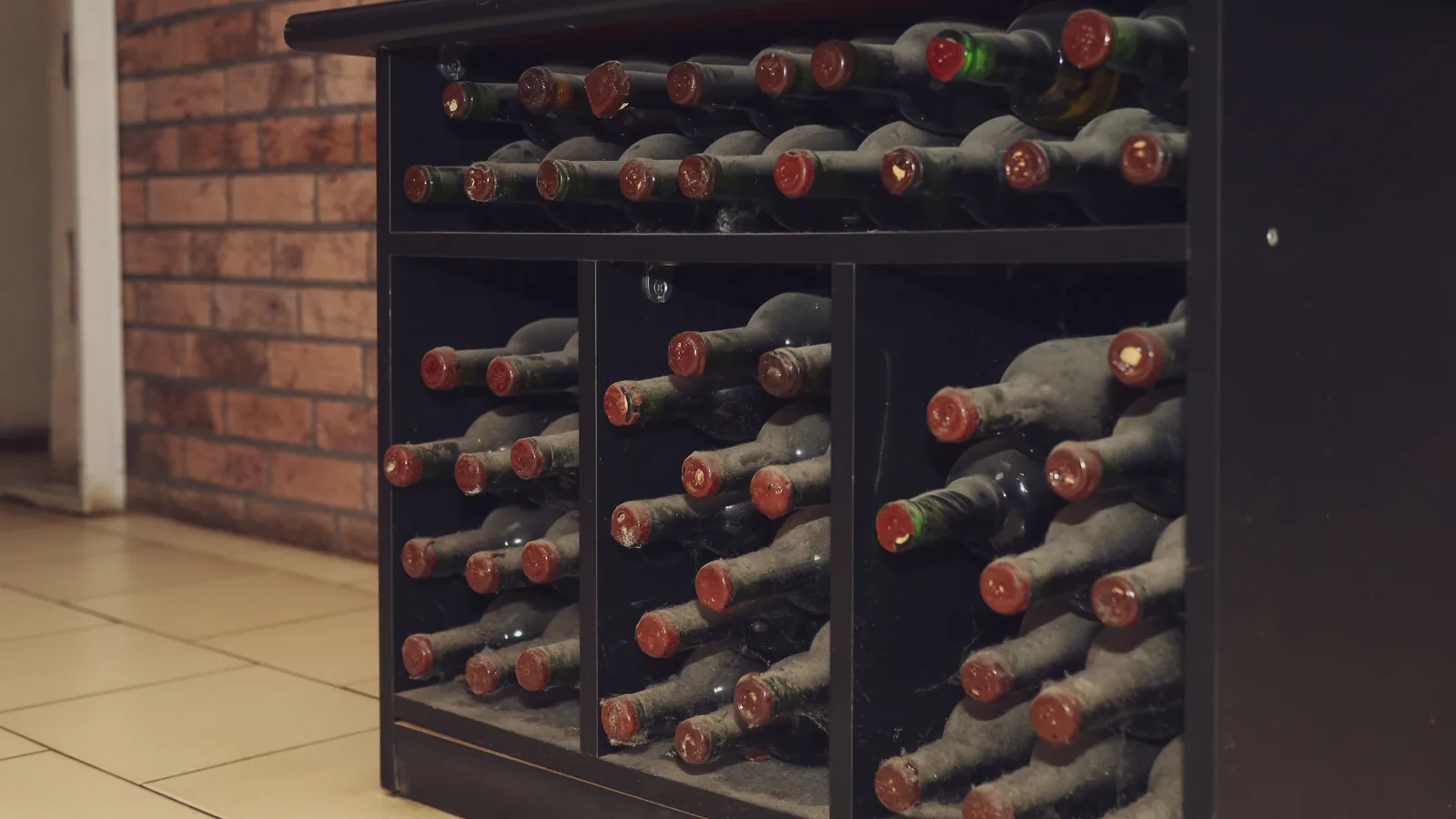
Storing Wine at Home When You Don't Have a Cellar
by Uncorked Wave ·Cool, steady and dark beats a fancy cellar. What temperature, light, humidity and bottle position actually do to wine, and which bottles to open young.
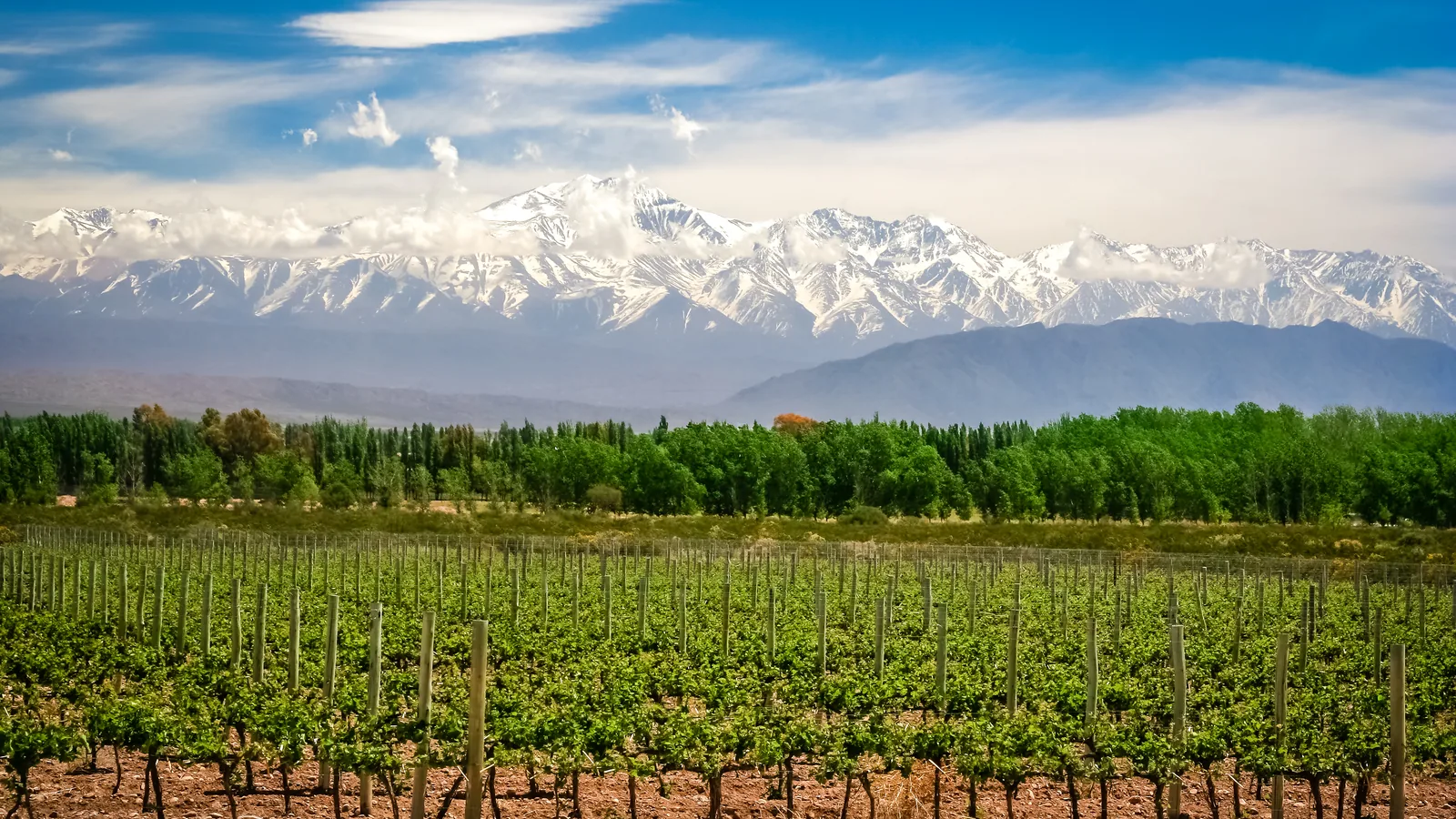
The High Road to Argentine Malbec
by Uncorked Wave ·Most Argentine Malbec grows in Mendoza at 430 to 2,000 meters. How the Uco Valley, a desert climate and a Southern Hemisphere harvest set it apart from Cahors.
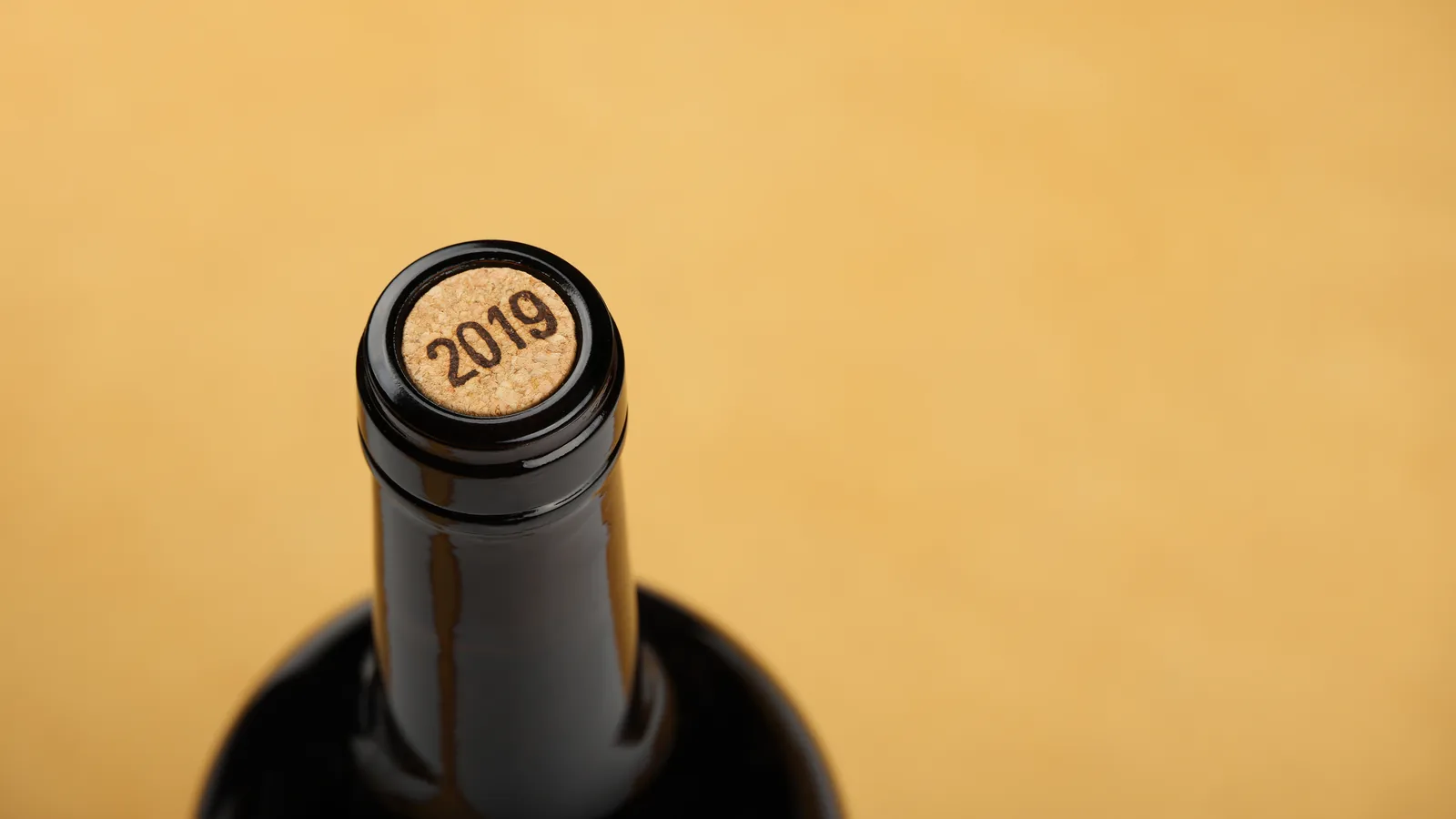
75, 85, 95: The Numbers Hiding in Every American Wine Label
by Uncorked Wave ·A grape name means at least 75% of it. An AVA means 85%. Here is what federal rules require behind a US wine label's grape, place, year and alcohol.
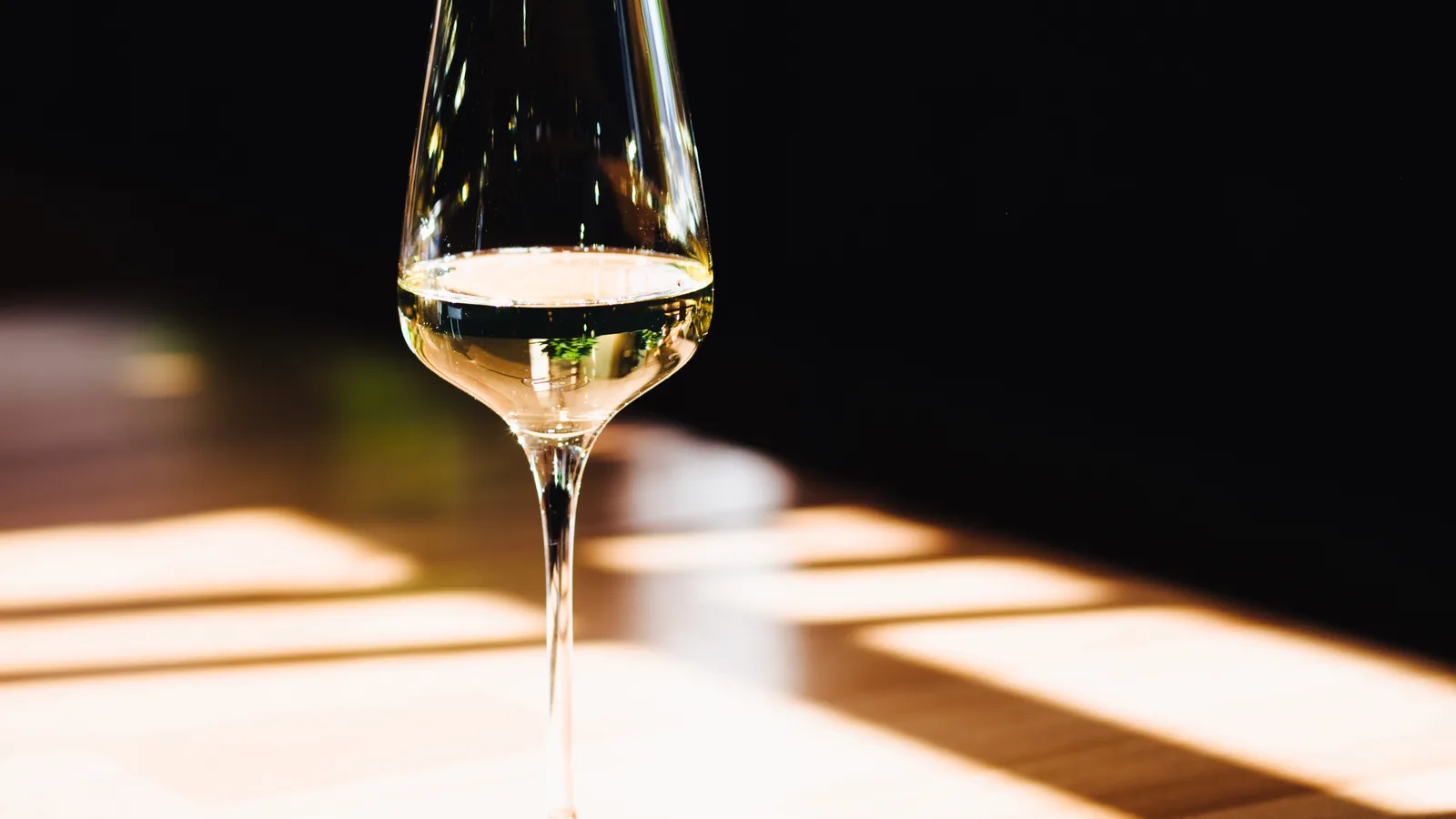
How the Alcohol Comes Out of Dealcoholized Wine
by Uncorked Wave ·Vacuum distillation, spinning cone and reverse osmosis explained, plus what dealcoholized and alcohol-removed mean on a US wine label below 0.5% ABV.
Put your business beside Guides stories. Advertise with us