









Of all the words on a bottle of sparkling wine, the one people trip over most is Extra Dry. It sounds like the driest choice on the shelf. It is not: an Extra Dry Champagne has more sugar in it than a Brut. The words on a Champagne label are a sweetness scale, set out in grams of sugar per liter, and once you know the order you can pick the right bottle for a toast, a meal or dessert.
Where the sugar comes from: dosage
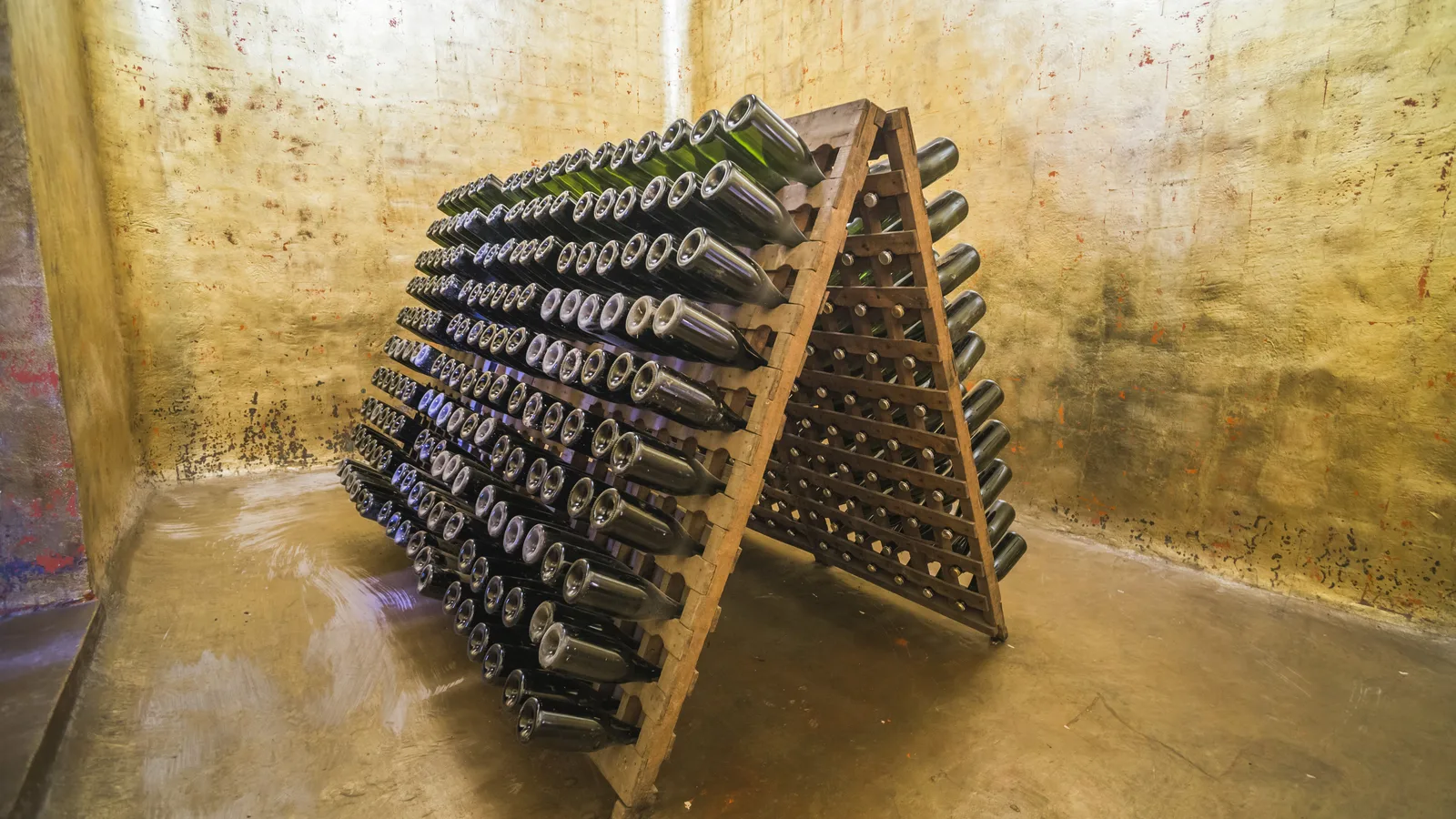
Champagne gets its bubbles from a second fermentation in the bottle. When that is finished, the spent yeast is removed in a step called disgorging, and the bottle is topped up before it is corked. The topping up is the dosage. The Comité Champagne, the trade body for the region's growers and houses, describes the liqueur de dosage as cane sugar dissolved in wine, and says a brut Champagne typically receives about 1 centiliter of it per 75-centiliter bottle. How much sugar goes into that liqueur decides which word goes on the label.
The scale, driest to sweetest
These are the ranges the Comité Champagne publishes, in grams of sugar per liter:
- Brut Nature (also Pas Dosé or Dosage Zéro): under 3 grams, with no sugar added at dosage
- Extra Brut: 0 to 6 grams
- Brut: under 12 grams
- Extra Dry (Extra Sec): 12 to 17 grams
- Sec: 17 to 32 grams
- Demi-Sec: 32 to 50 grams
- Doux: more than 50 grams
So the order runs Brut Nature, Extra Brut, Brut, Extra Dry, Sec, Demi-Sec, Doux. The confusing names are history: when these terms took hold, Champagne was commonly far sweeter than it is now, and a wine with 12 to 17 grams really was dry by the standards of the day. The Comité Champagne says more than 90 percent of Champagne is now made as Brut.
Do the same words apply to Prosecco and Cava?
The same words are used across European sparkling wine, so a Prosecco or Cava labeled Brut or Extra Dry sits in the same bands. That matters most for Prosecco, where Extra Dry is one of the most common styles on American shelves. If you want the drier taste most people mean when they say dry, look for Brut.
What the numbers mean in the glass
Sugar in sparkling wine is balanced by high acidity, so a Brut at 8 grams does not taste sweet; it tastes crisp, with the sugar rounding off the edges. You start to notice sweetness clearly around Extra Dry and Sec, and Demi-Sec and Doux read as sweet wines.
- Brut Nature and Extra Brut: the leanest and most bracing, at their best with oysters, sushi or salty fried food.
- Brut: the all-purpose choice for a toast and for most of a dinner, from appetizers through roast chicken.
- Extra Dry and Sec: a softer, fruitier glass that suits spicy dishes and anyone who finds Brut too sharp.
- Demi-Sec and Doux: for dessert. The rule of thumb is that the wine should be at least as sweet as the dish, or the wine will taste thin and sour beside it, so a Demi-Sec is the one for wedding cake or fruit tarts.
The one-line version for the shop
For a holiday toast with no food, pick Brut. For a crowd that likes it a little softer, Extra Dry. For the dessert course, Demi-Sec. And if the label says nothing at all about sweetness, ask, since a few producers print only the dosage in grams on the back label.
Loading comments…