






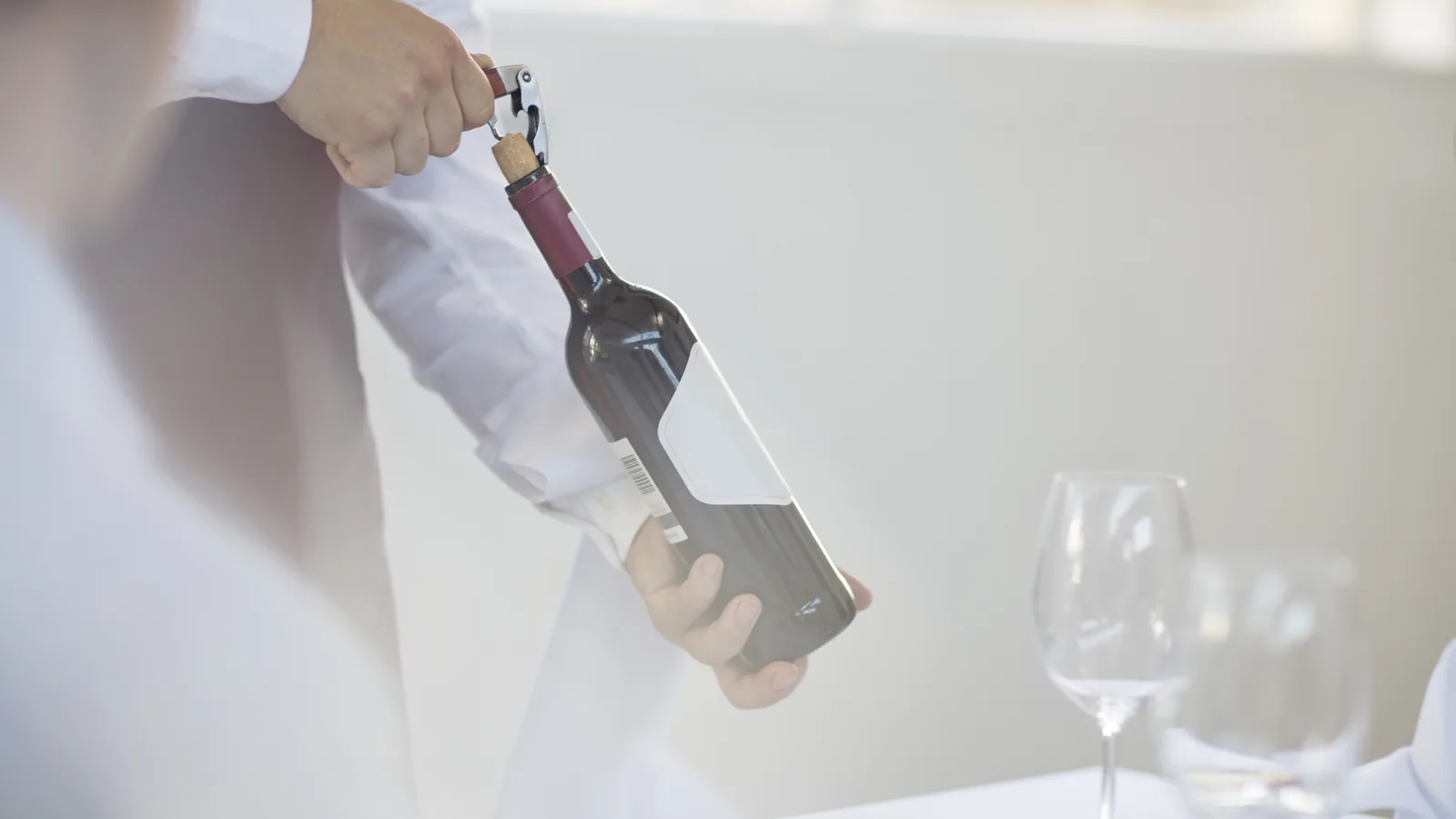
Bringing your own bottle to dinner is one of the easiest ways to open something special without paying restaurant markup, and in some states it is how restaurants without a liquor license let guests have wine with a meal. It also comes with a fee, a few unwritten rules and state laws that differ more than most diners realize.
What corkage is
A corkage fee is what a restaurant charges to open and serve a bottle you brought. It covers the glassware, the service and the table time that would otherwise go to a bottle from the restaurant's own list. Fees are set by each restaurant and are usually charged per bottle. Some places waive the fee if you also buy a bottle from their list, some cap the number of bottles per table, and some do not allow outside wine at all. Whether a restaurant can charge corkage, and whether it can allow you to bring wine in the first place, depends on state law.
How four states handle it
There is no national rule. These four state agencies publish clear guidance, and they show how wide the range is.
New York. The State Liquor Authority's restaurant license quick reference says customers may bring their own alcohol only if that type of alcohol is covered by the restaurant's license, so a place licensed for beer and wine cannot let guests bring liquor. The restaurant may charge a corkage or other fee, and guests must take any unfinished alcohol with them when they leave.
New Jersey. The Division of Alcoholic Beverage Control's handbook for retail licensees explains that, unless a local ordinance forbids it, an unlicensed restaurant may let customers bring and drink wine and beer only, never spirits. The restaurant may provide glasses and ice but may not charge a cover, corkage or service fee, and it may not advertise that guests can bring their own. At a licensed restaurant, the handbook says there is no regulation against bringing a bottle, and the restaurant decides as a matter of house policy.
Pennsylvania. The Pennsylvania Liquor Control Board's guidance on bringing your own says nothing in the state Liquor Code bars a guest from bringing legally purchased alcohol into an establishment, licensed or not. Each establishment sets its own house rules and may, but does not have to, charge corkage. The wine must have been legally bought in Pennsylvania, so restaurants may ask to see a receipt, and local ordinances can add restrictions.
Texas. The Texas Alcoholic Beverage Commission's FAQ says Texas has no statewide law on bringing your own. State law bars guests from bringing alcohol into restaurants that hold a mixed beverage permit or a private club registration. At places licensed only for beer and wine, or with no license, state law does not prohibit it, the business may set its own policy, and it may charge a corkage fee for wine. Cities and counties can have their own ordinances.
Other states fall somewhere along this range, and some leave the decision to local towns. Your state's alcohol beverage control agency is the place to check.
Taking the rest of the bottle home
Some states allow a partly finished bottle to leave the restaurant if it is resealed. New Jersey's handbook says an unfinished bottle of wine may be recorked and taken home, while open glasses and other open containers may not leave. It also tells restaurants to advise guests to carry the bottle in the trunk, because an opened container in the car can be treated as evidence of drinking in the vehicle under state motor vehicle law. Ask your server to recork or bag the bottle, and if you are driving, put it in the trunk.
Etiquette that keeps everyone happy
- Call ahead. Ask whether the restaurant allows outside wine, what the fee is, and whether there is a bottle limit.
- Bring something the restaurant does not sell. Bringing a bottle that is on the wine list is widely seen as poor form. Older bottles, a wine from a trip or a gift bottle are the usual reasons to bring your own.
- Bring it ready to serve. Chill whites and sparkling at home, and stand an older red upright for a day so any sediment settles.
- Hand it to the staff. Let the server or sommelier open and pour it, as they would any bottle.
- Consider offering a taste. Offering the sommelier a small pour of something unusual is a common courtesy, not a requirement.
- Tip on the service. Corkage pays for the bottle being opened, not for the server's time. Many diners add the value of a comparable bottle, or at least the corkage fee, when they calculate the tip.
- Plan the ride. If you are bringing a special bottle to share, decide before you go who is driving, or book a car home.
Next step
Before your next dinner out, look up the restaurant's wine policy or call during the afternoon when staff have time to talk, and ask three questions: may I bring a bottle, what is the corkage fee, and is there a limit per table.
Sources
- New York State Liquor Authority: Restaurant license quick reference
- New Jersey Division of Alcoholic Beverage Control: Handbook for retail licensees (PDF)
- Pennsylvania Liquor Control Board: Bring your own alcoholic beverage (BYOB) FAQ (PDF)
- Texas Alcoholic Beverage Commission: Frequently asked questions
Loading comments…