












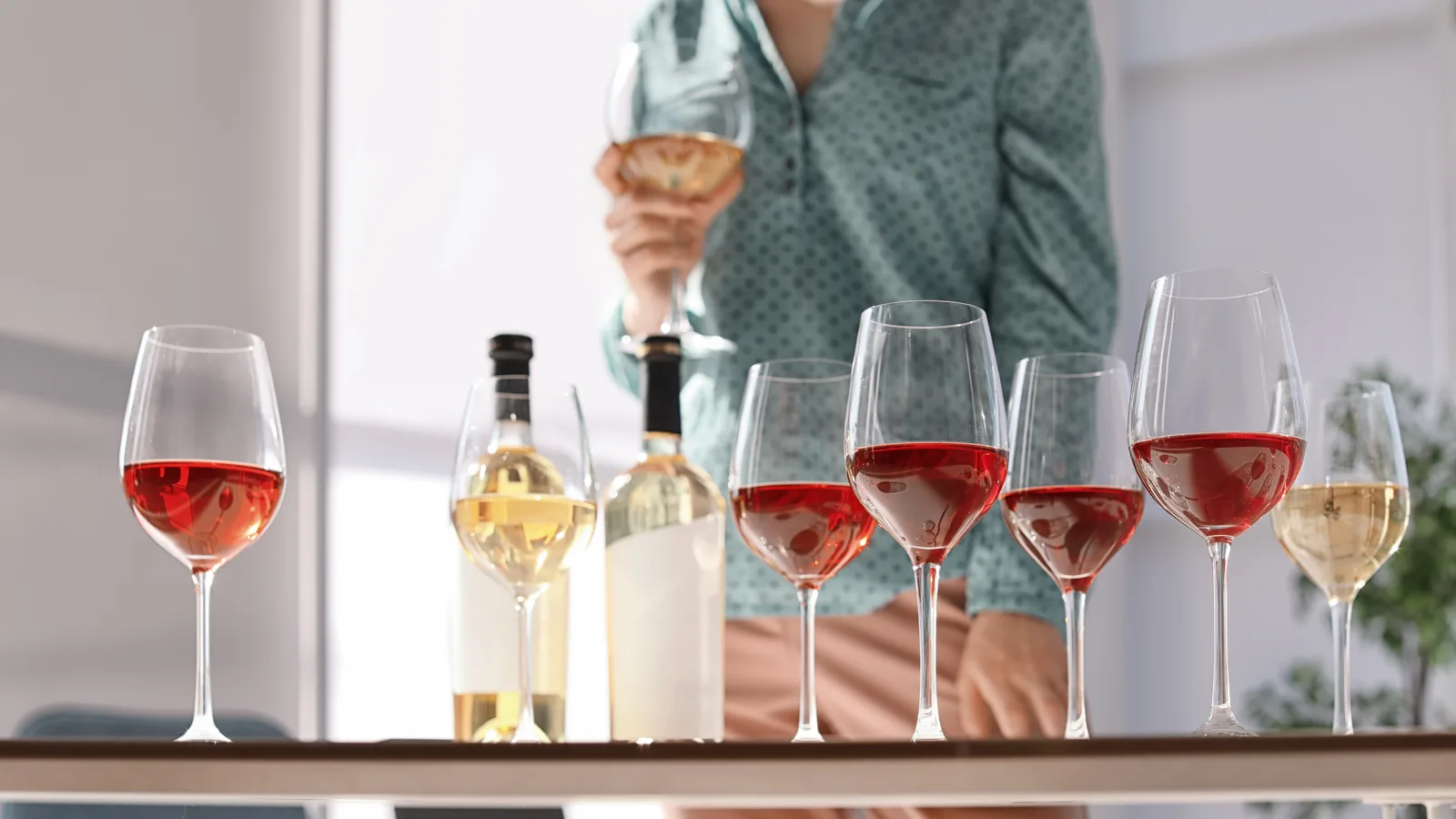
The shelf of wines made without the alcohol keeps growing, and the labels on them use several words that sound interchangeable: dealcoholized, alcohol-removed, non-alcoholic, alcohol-free. In the United States they are not the same, and the difference tells you exactly what is in the bottle.
Who sets the rules
Wine at 7% alcohol by volume and above is labeled under the Alcohol and Tobacco Tax and Trade Bureau. Wine with the alcohol taken out falls below that, and its labeling is guided by the Food and Drug Administration. The FDA's compliance policy on dealcoholized wine, first issued in 1980 and last updated in 2005, spells out how these products should be named.
Dealcoholized and alcohol-removed
These are the main names. Under the FDA's policy, the word dealcoholized or alcohol-removed goes immediately before the word wine in the product's name, in letters as large as the word wine itself. The FDA considers either term misleading if the wine contains more than 0.5% alcohol by volume, and the name should be followed by the statement that the wine contains less than 0.5 percent alcohol by volume.
So a bottle called dealcoholized Cabernet Sauvignon or alcohol-removed sparkling wine has been made as wine, then had its alcohol taken out until less than half a percent remains.
Non-alcoholic
The FDA does not object to the words non-alcoholic appearing on a dealcoholized wine as an extra claim. It cannot replace dealcoholized or alcohol-removed as the only description in the name, though. In practice, non-alcoholic on a wine label sits alongside one of those words and means the same threshold: under 0.5%.
Alcohol-free
This one is stricter. The FDA's policy reserves alcohol-free for a product with no detectable alcohol. A wine that has been dealcoholized down to 0.3% is non-alcoholic, but it is not alcohol-free. If you or a guest want a bottle with none at all, alcohol-free (often printed as 0.0%) is the term to look for.
What it means at the shop
- Read the small print under the name. The less than 0.5 percent statement tells you the bottle is a dealcoholized wine, not a zero.
- Look for 0.0% or alcohol-free when the goal is no alcohol at all.
- Know what you are tasting. These wines start life as wine, so the grape and region still shape them, but removing the alcohol also removes some body and warmth.
Beer and other malt drinks follow different federal rules, so the same words on a can of non-alcoholic beer are governed separately.
Loading comments…