




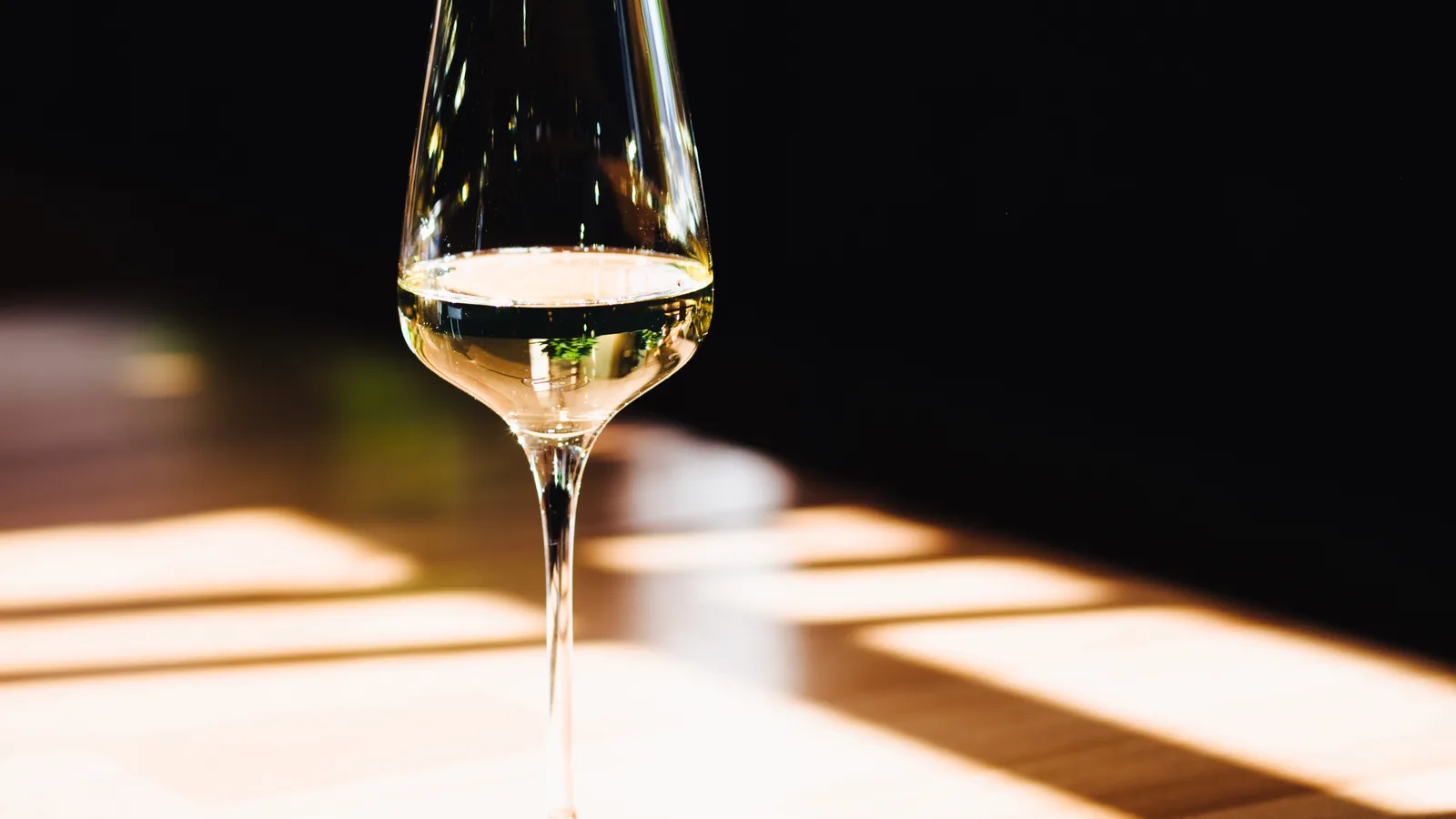
A bottle of dealcoholized wine starts life as ordinary wine. The grapes are crushed and fermented just as they would be for any other bottle, and only after that is the alcohol taken out. How a producer removes it, and what the label is allowed to say afterward, explains most of what you will notice when you pour a glass.
First, make the wine
Producers are clear that the starting point is full-strength wine. Sutter Home's Fre brand says its winemakers make the base wine with traditional methods before any alcohol comes out, and New Zealand's Giesen says its alcohol-free range starts from the same wine it sells at full strength. That matters, because the character of the finished bottle depends on the grapes and fermentation that came first.
Three ways to take the alcohol out
Federal regulations list the treatments a US winery may use to lower alcohol in wine, in the table at 27 CFR 24.248, maintained by the Alcohol and Tobacco Tax and Trade Bureau (TTB), the Treasury agency that regulates wine. The TTB's own wine guidance names reverse osmosis and the spinning cone column as approved processes. These are the methods you will see on producers' pages:
Vacuum distillation. Alcohol boils at a lower temperature than water, and under a vacuum both boil at far lower temperatures than normal. Distilling wine under reduced pressure lets a producer pull alcohol off without cooking the wine. The federal table lists this as thin film evaporation under reduced pressure, which separates wine into a lower-alcohol wine and a higher-alcohol distillate.
Spinning cone column. This is a refined form of vacuum distillation. Fre describes the process: wine enters the top of a column, where spinning cones spread it into a thin film. A first pass with nitrogen gas carries off the delicate aromas, which are saved. A second pass at a higher temperature removes the alcohol. The saved aromas are then blended back in. Giesen uses a spinning cone as well and says the column separates wine into aroma, alcohol and body, which it then recombines. For standard wine, the federal table requires that the same amount of essence removed be added back to each lot.
Reverse osmosis. Instead of heat, this uses pressure and a membrane. The TTB's Ruling 85-6 describes wine being pushed through membranes that let small molecules pass, splitting it into a permeate of alcohol and water and a retentate, the reduced-alcohol wine left behind. The federal table sets limits on the membranes and the pressure used.
For the spinning cone and reduced-pressure evaporation, the federal table adds a condition: the process must not alter the wine's vinous character, meaning it still has to read as wine.
What the label terms mean
In the United States, 0.5% alcohol by volume (ABV) is the line that matters. The TTB's guide to low and no alcohol beverages explains that a finished drink below 0.5% ABV is not treated as an alcohol beverage under federal rules: wine below that level is not subject to federal alcohol excise tax and does not carry the government health warning statement. Because federal wine labeling rules under the Federal Alcohol Administration Act apply only from 7% ABV, the Food and Drug Administration's labeling rules cover wine below 7%, alongside TTB's basic labeling requirements in 27 CFR 24.257.
The FDA's compliance policy guide on dealcoholized wine sets out what the terms mean on the label:
- Dealcoholized or alcohol-removed must appear directly before the word wine (or the type of wine) in the product name, in type as large as the word wine.
- The name must be followed by a statement that the product contains less than 0.5 percent alcohol by volume.
- Using either term is considered misleading if the product is above 0.5% ABV.
- Non-alcoholic may appear as an extra description, but it cannot replace dealcoholized or alcohol-removed in the name.
- Alcohol-free is reserved for products with no detectable alcohol.
So a bottle labeled alcohol-removed wine may still contain a trace of alcohol, up to just under 0.5%. Fre and Giesen both state that their finished wines are below or at no more than 0.5%.
What changes in the glass
Alcohol does more than add strength. It carries aroma, adds a sense of weight and warmth, and balances acidity. Take it out and the wine tastes lighter and the acidity stands out more. Producers address this in a few ways that are worth knowing when you read a back label:
- Aroma recapture. Spinning cone producers save the aromas from the first pass and return them, which is why their sites stress fruit and varietal character.
- Grape juice. Fre blends in unfermented grape juice to replace lost volume, and Giesen adds a small amount of grape juice for balance. Expect many dealcoholized wines to taste a little sweeter or fruitier than their full-strength versions.
- Freshness. Giesen says it bottles within days of distillation to keep the wine fresh, and it is worth treating these bottles like a light white: buy recent releases and drink them young.
Serving helps too. Chilling dealcoholized whites, rosés and sparkling wines well emphasizes freshness, and a slight chill suits dealcoholized reds, which can feel thin at room temperature.
What to look for on the shelf
Read the product name for dealcoholized or alcohol-removed and the line that follows it stating less than 0.5% alcohol. Then check the producer's website for how the alcohol was taken out and whether grape juice was added, and try a sparkling or white first, since those styles rely least on the body that alcohol provides.
Sources
- Alcohol and Tobacco Tax and Trade Bureau: Federal regulation of low and no alcohol beverages (PDF, 2026)
- Alcohol and Tobacco Tax and Trade Bureau: Wine, other topics (alcohol reduction of wine)
- Code of Federal Regulations (via Cornell Legal Information Institute): 27 CFR 24.248, authorized treatments for wine
- Code of Federal Regulations (via Cornell Legal Information Institute): 27 CFR 24.10, definitions
- Alcohol and Tobacco Tax and Trade Bureau: Ruling 85-6, reverse osmosis
- US Food and Drug Administration: CPG Sec. 510.400, dealcoholized wine and malt beverages labeling
- Fre (Sutter Home): How it's made
- Giesen Wines: The Giesen 0% range
Loading comments…