





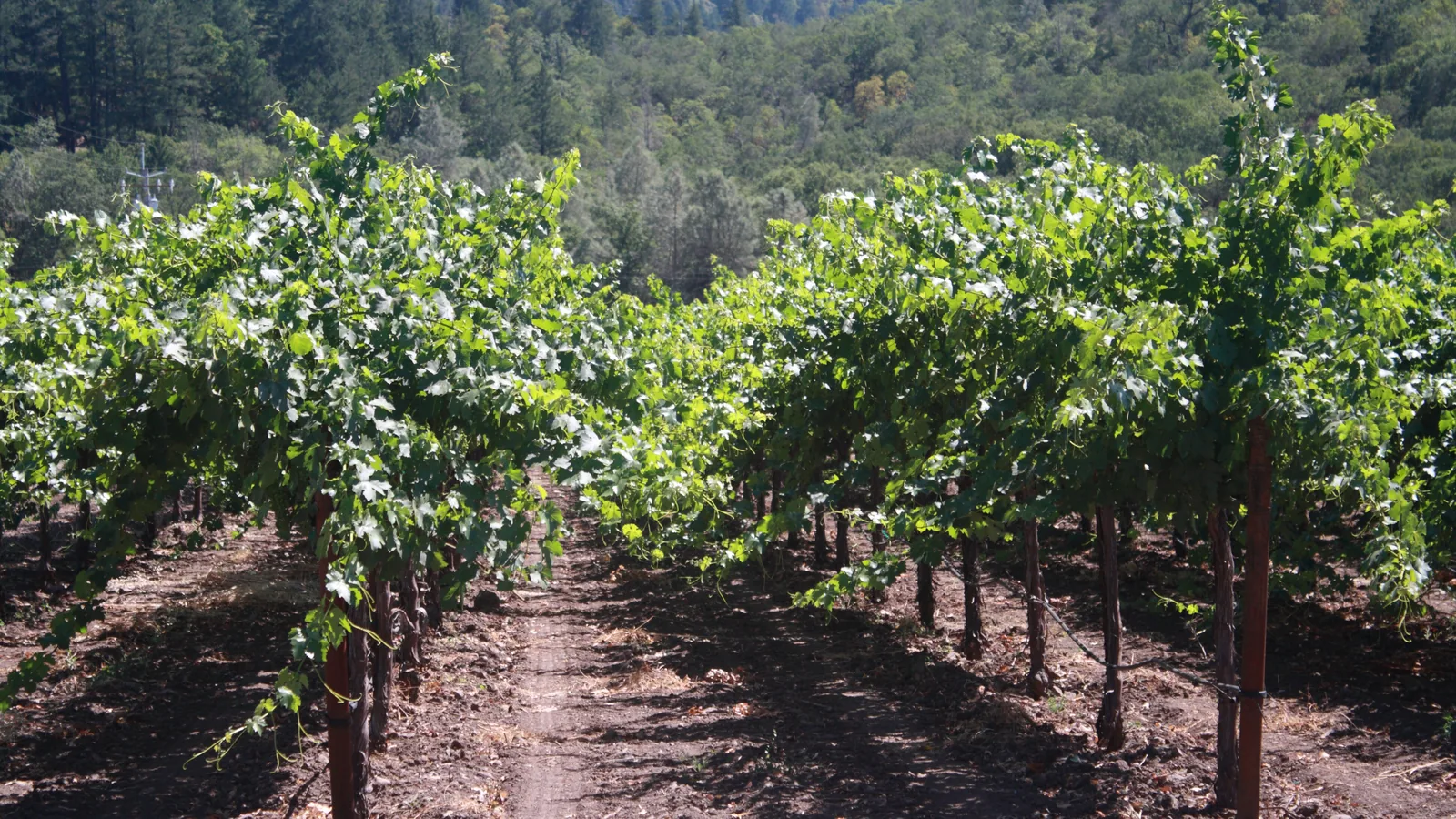
Napa Valley and Sonoma County sit side by side north of San Francisco, and first-time visitors often treat them as one place. They are not. Napa is a single, compact valley where most visits are booked in advance and priced as an experience. Sonoma is a county of about 1,500 square miles with a looser mix of tasting rooms, some of which still pour for free. Knowing which trip you want makes the choice, and the booking, much simpler.
Napa: one valley, tightly packed
The Napa Valley Vintners, the trade group for the valley's wineries, describe Napa as just 30 miles long and a few miles wide. It produces about 4 percent of California's wine grape harvest and has roughly one-sixth the planted acreage of Bordeaux. Inside the Napa Valley American Viticultural Area (AVA, a federally recognized grape-growing region) the group lists 17 smaller nested AVAs, from Oakville and Yountville on the valley floor to Atlas Peak and Howell Mountain in the hills. The Vintners also report that 95 percent of Napa wineries are family owned.
That density is the appeal: a lot of wineries along two parallel roads. It is also why reservations matter. Visit Napa Valley, the county's tourism board, says popular tasting rooms fill their books weeks ahead, small and remote wineries need to know you are coming so someone is there to greet you, and some wineries are limited by their permits in how many guests they can host each day. Seated tastings usually run on fixed start and end times.
Sonoma: bigger, looser, more varied
Sonoma County covers about 1,500 square miles and sits roughly 75 miles north of San Francisco International Airport, according to Sonoma County Tourism. Sonoma County Winegrowers counts about 60,000 acres of vineyards, 1,800 growers, more than 425 wineries and more than 66 grape varieties, and reports that 99 percent of the county's vineyard acres are certified sustainable. The Sonoma County Vintners point visitors to 19 Sonoma County AVAs, which range from the coast to inland valleys.
Because Sonoma spreads out, a day there usually means choosing one area and staying in it rather than trying to see the whole county. Reservation habits are more mixed than in Napa. Sonoma County Tourism notes that many wineries offer free tastings or waive the tasting fee when you buy wine, and it suggests calling ahead for complimentary tastings offered on particular days.
What tasting costs
Visit Napa Valley puts the average basic tasting in Napa at about $40 per person, with a range from about $20 to $200 or more when a tour, lunch or class is included. Most wineries charge one flat fee for the experience, and some waive it if you buy bottles, so ask about the policy when you book. The board also recommends tipping, about $10 to $15 per couple at a standing bar and $15 to $20 for a seated tasting.
In Sonoma, the county tourism board lists examples across the price range: Locals Tasting Room and Frick Winery in Geyserville pour without charge, Korbel in Guerneville offers a complimentary splash on arrival, and Moshin Vineyards in Healdsburg waives its fee with a bottle purchase. Policies change, so confirm on each winery's own site.
Booking a first visit
- Pick two or three stops a day. Visit Napa Valley recommends two or three winery visits per day, since most experiences take at least 90 minutes before travel time.
- Book directly. Reserve on each winery's own website, and book the stops you care most about first.
- Group by geography. In Napa, cluster stops in one stretch of the valley. In Sonoma, choose one AVA or town for the day.
- Dress in layers. Visit Napa Valley notes that tastings are often outdoors and cave tours can be cold.
Getting around without driving
Neither region is built around transit, so plan the ride before you plan the tastings.
In Napa, the Napa Valley Wine Train departs from 1275 McKinstry Street in Napa, with journeys of about 2.5 to 6 hours. Its six-hour Legacy Experience includes tastings at Charles Krug and V. Sattui. Visit Napa Valley also lists the Napa Valley Wine Trolley, an open-air replica cable car with daily tours and custom group bookings, and points out that the Napa Valley Vine Trail runs parallel to Highway 29 and gives walking access to a number of wineries. Local transportation companies work as designated drivers and can plan the day as well.
In Sonoma, the SMART train runs a 43-mile route from Windsor, in northern Santa Rosa, to Larkspur in Marin County, where a ferry continues to San Francisco. Sonoma County Tourism says county buses run countywide but typically do not go to wineries, so for the tasting itself book a wine tour, a driver, or a car and chauffeur. Groome Transportation connects the county with the San Francisco and Oakland airports.
So which one?
Choose Napa if you want a short, structured day with reserved, seated tastings close together and a train or trolley option. Choose Sonoma if you want room to roam, a wider range of fees including free pours, and a train link from the Bay Area to a base town. Either way, the next step is the same: pick your base town, book your driver or tour, then reserve your first winery on its own site.
Sources
- Napa Valley Vintners: About the Napa Valley appellation
- Visit Napa Valley: Wine tasting tips
- Visit Napa Valley: Go car-free in the Napa Valley
- Napa Valley Wine Train: Experiences and departures
- Sonoma County Vintners: Sonoma County wine and AVAs
- Sonoma County Winegrowers: Sonoma County grape growing facts
- Sonoma County Tourism: How to travel to and around Sonoma County
- Sonoma County Tourism: Wineries with free tastings
Loading comments…