




A good winery day is mostly decided before you leave the hotel: who is driving, which wineries are booked, and how many stops actually fit. Tourism boards and winery associations in the country's busiest wine regions give remarkably similar advice. Here it is in planning order, starting with the part most people leave for last.
1. Book the ride first
If anyone in your group is tasting, settle transportation before you book a single tasting. Visit Napa Valley advises arranging alternate transportation ahead of time and lists rideshare apps, taxis, shuttles and limousines as options. The Willamette Valley Wineries Association in Oregon goes further: taxis and ride-share services can be hard to find in rural wine country, so it strongly recommends booking a wine tour or private transportation in advance if you plan to visit several wineries. Local tour companies supply the vehicle and a designated driver.
Some regions have transit that helps with part of the trip. Sonoma County Tourism points to the SMART train between Windsor and Larkspur, but notes that county buses typically do not go to wineries, so a tour, a driver or a car and chauffeur covers the tasting itself. Around Charlottesville, Virginia, Visit Charlottesville lists tour and transportation companies serving the Monticello Wine Trail, from trolleys to chauffeured cars.
If one person in your group is the designated driver, they do not have to sit out. Sonoma County Tourism lists wineries with options for non-drinkers: Viansa takes reservations for non-drinkers at $10, Hamel Family Wines offers a $45 tasting of sparkling sodas and teas, and Meadowcroft Wines pours zero-proof flights.
2. Reserve each tasting
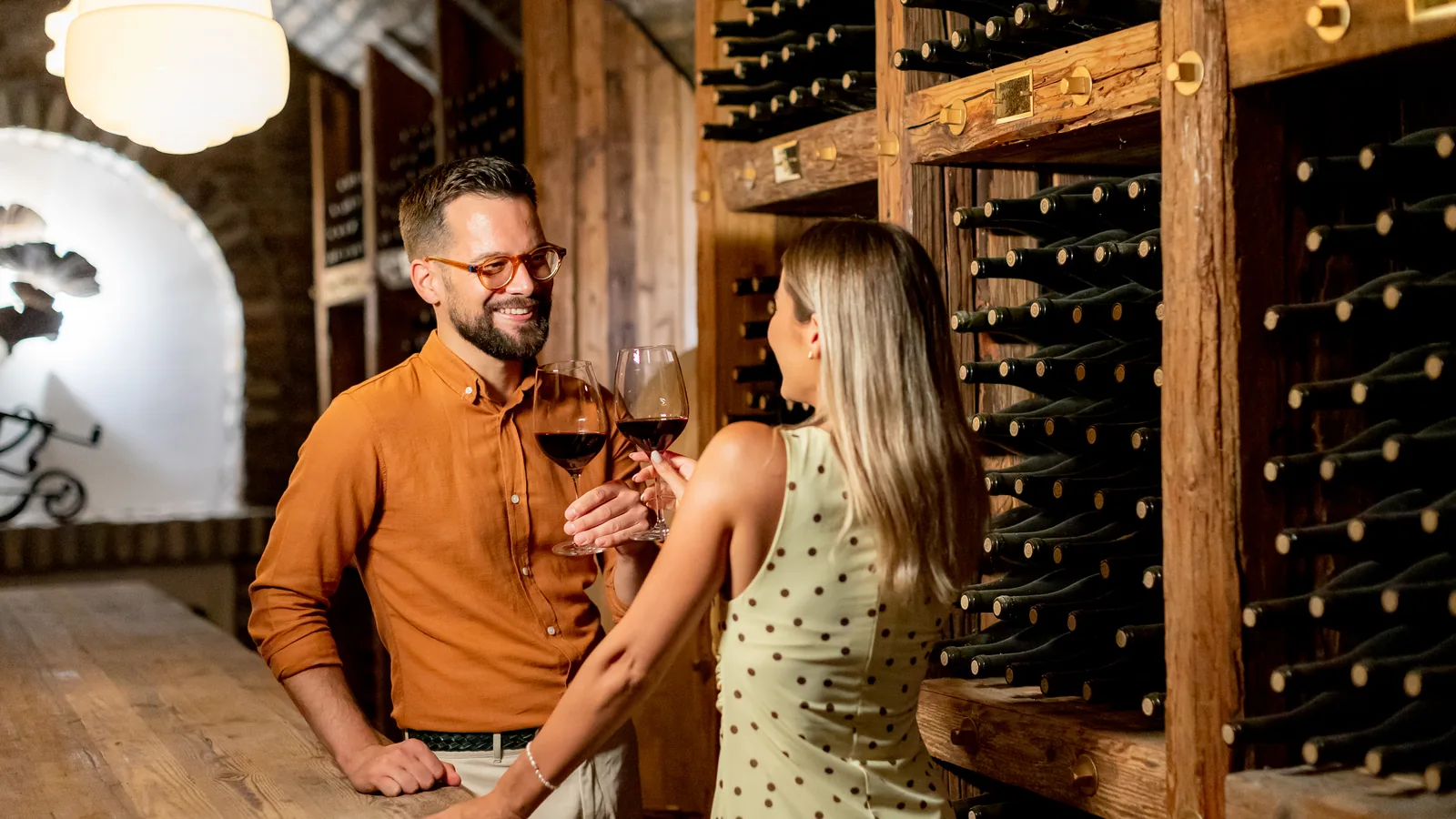
Assume you need a reservation. Visit Napa Valley says popular tasting rooms book up weeks in advance, small wineries need to know you are coming so someone is there, and some wineries have permit limits on daily guests. The Willamette association says many of its wineries are appointment-only, and Visit Charlottesville says most wineries in its area require advance reservations. Book on each winery's own site, and book the one you care most about first.
3. Know the fee and the waiver
Tasting fees vary widely. Visit Napa Valley puts the average basic tasting at about $40, with a range of about $20 to $200 or more when a tour or meal is included. Many wineries waive the fee if you buy wine: Sonoma County Tourism says many wineries there offer free tastings or waive the fee with a purchase, and Visit Napa Valley says some Napa wineries do the same. Policies differ from winery to winery, so ask when you book, not at the counter. Visit Napa Valley also recommends tipping, about $10 to $20 per couple for a standing or seated tasting, even if you buy wine.
4. Plan two or three stops, not five
Visit Napa Valley recommends two or three winery visits per day, since most experiences take at least 90 minutes. The Willamette association also says to allow at least 90 minutes per tasting and to pick a cluster of nearby wineries rather than crossing the region. Seated tastings often run on fixed start and end times, so leave travel time between them and work a real lunch into the middle of the day.
5. What to bring
- Layers. Tastings are often outdoors, and cave tours can be cold, according to Visit Napa Valley.
- No heavy perfume or cologne. Strong scents can mask the wine's aroma.
- Directions loaded in advance. The Willamette association notes cell service in wine country can be spotty.
- Permission to pace yourself. Visit Napa Valley points out the dump bucket on the counter for anyone who would rather taste and not finish a pour. Using it, or skipping a pour, is normal.
6. Getting bottles home
Ask about shipping before you check out, since cost and availability depend on where you live. Some regions run seasonal shipping deals; the Willamette Valley's Giving Season, for example, includes free or discounted shipping on multiple bottles at some wineries.
If you are flying, the Transportation Security Administration allows wine in checked bags with no quantity limit for drinks of 24 percent alcohol or less, which covers table wine. In carry-on bags, alcohol is limited to containers of 3.4 ounces or less. Check your airline's own rules before you pack.
Your next step
Open a calendar and book in this order: the driver or tour, then your top winery, then one or two nearby stops that fit around it. Everything else on the day follows from those three bookings.
Wine shipping rules vary by state, and some states limit or bar shipping wine directly to consumers. Check what your state allows before you order.
Sources
- Visit Napa Valley: Wine tasting tips
- Visit Napa Valley: First-timer's guide to Napa Valley
- Willamette Valley Wineries Association: Wine tasting tips
- Willamette Valley Wineries Association: Wine tour companies
- Willamette Valley Visitors Association: Wine Country Thanksgiving and The Giving Season
- Sonoma County Tourism: Wineries with free tastings
- Sonoma County Tourism: A tasting itinerary for designated drivers
- Sonoma County Tourism: How to travel to and around Sonoma County
- Visit Charlottesville: Wine tours and transportation
- Transportation Security Administration: Alcoholic beverages
Loading comments…